











notice
| 제목 | Rising demand for health checkups among foreigners... |
|---|---|
| 작성시간 |
작성일 26-05-20 14:35
|
| 조회 | 조회 100회 |
본문

As the population of foreign residents in Korea steadily rises, interest in health checkups for foreigners is also growing. There is an increasing demand for screenings—particularly among long-term foreign workers, international students, and marriage migrants—to assess health status and detect diseases early. The need for proactive health management is also being emphasized due to differences in medical environments, vaccination histories, and lifestyle habits across countries.
Health checkups for foreigners are often linked to administrative procedures such as visa issuance and renewal, employment, and school enrollment. Screening for infectious diseases like tuberculosis is mandatory for certain visa categories or job sectors, and the submission of a health certificate may be required for moving into school dormitories or participating in communal living arrangements. Therefore, it is important to verify the specific screening requirements relevant to one's purpose of stay in advance.
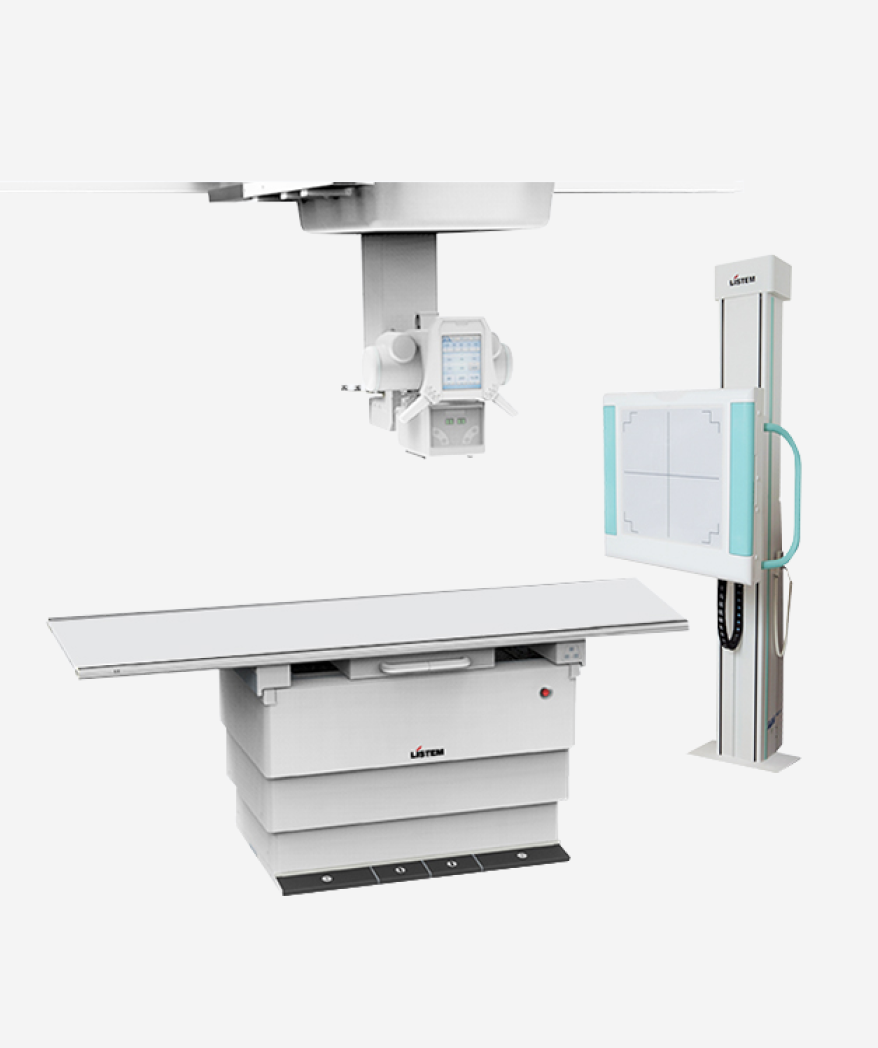
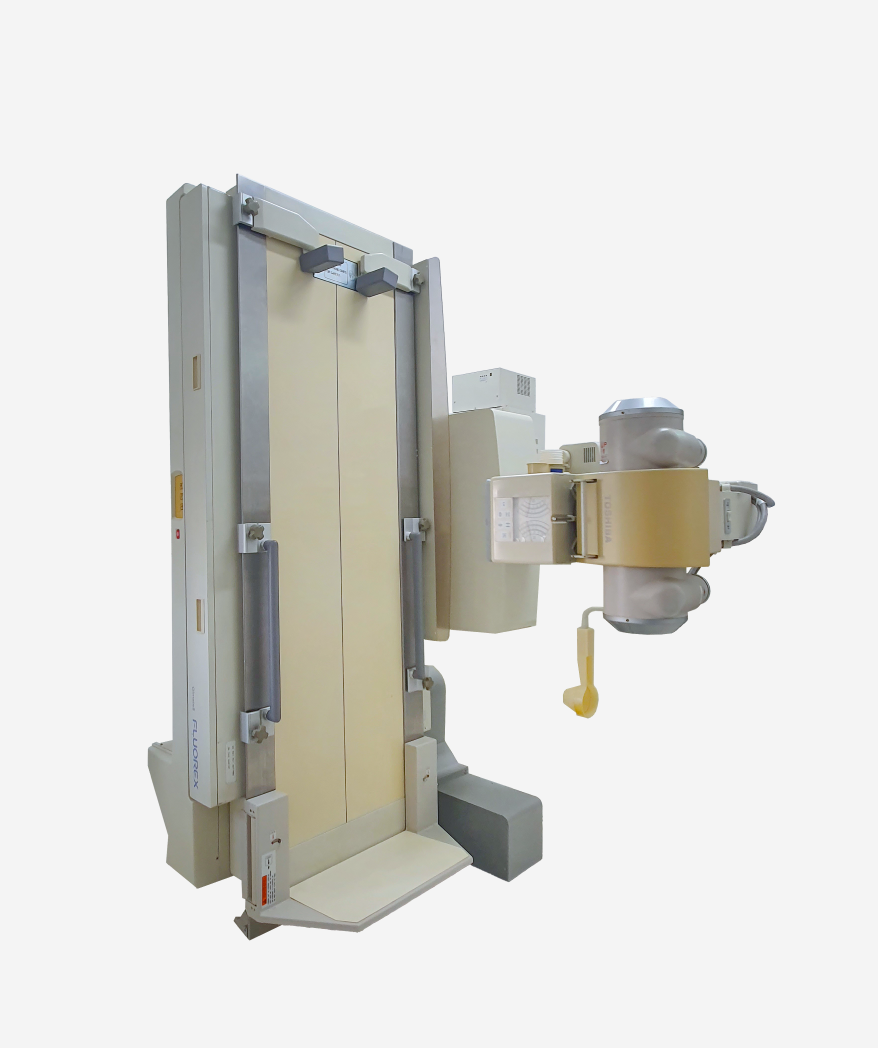
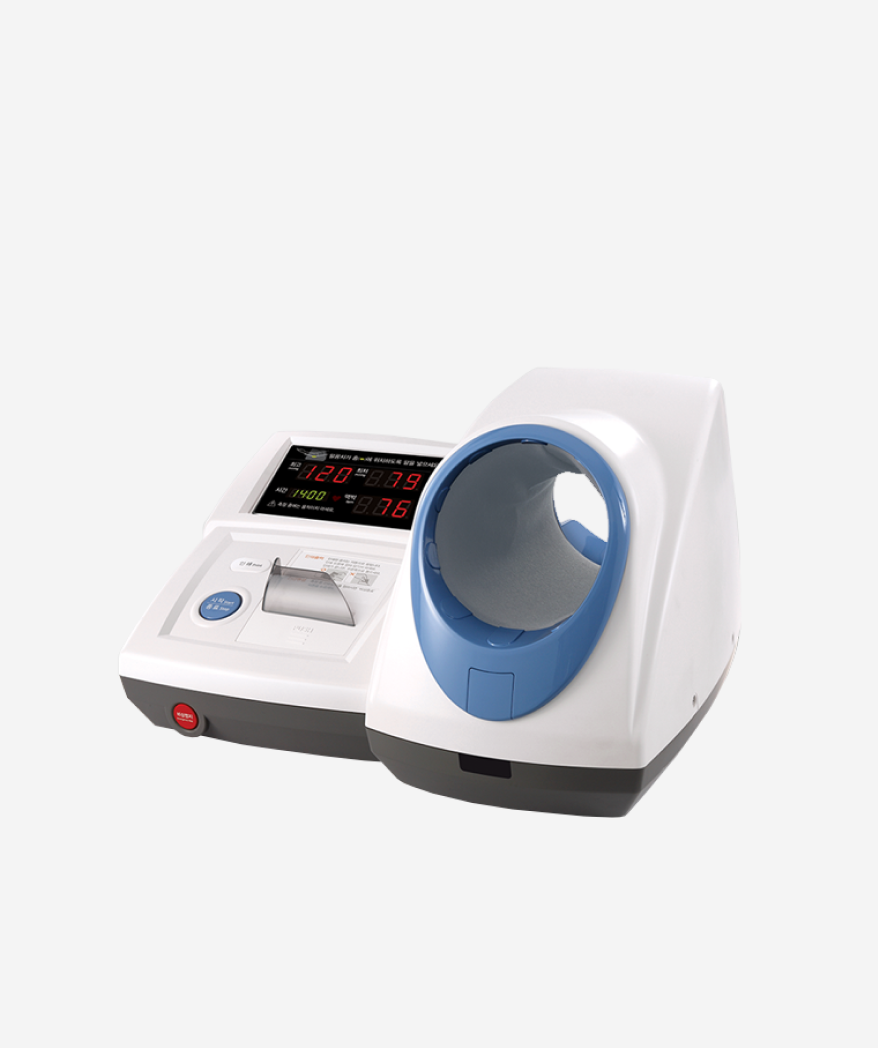
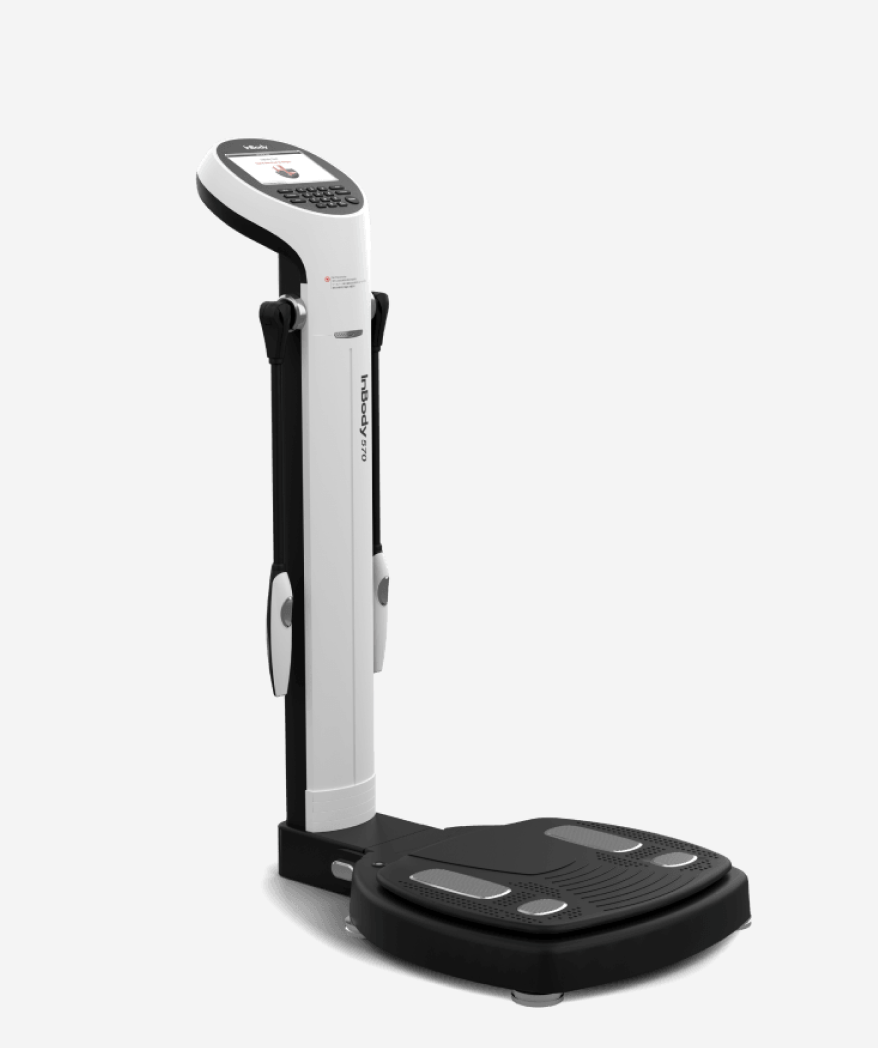
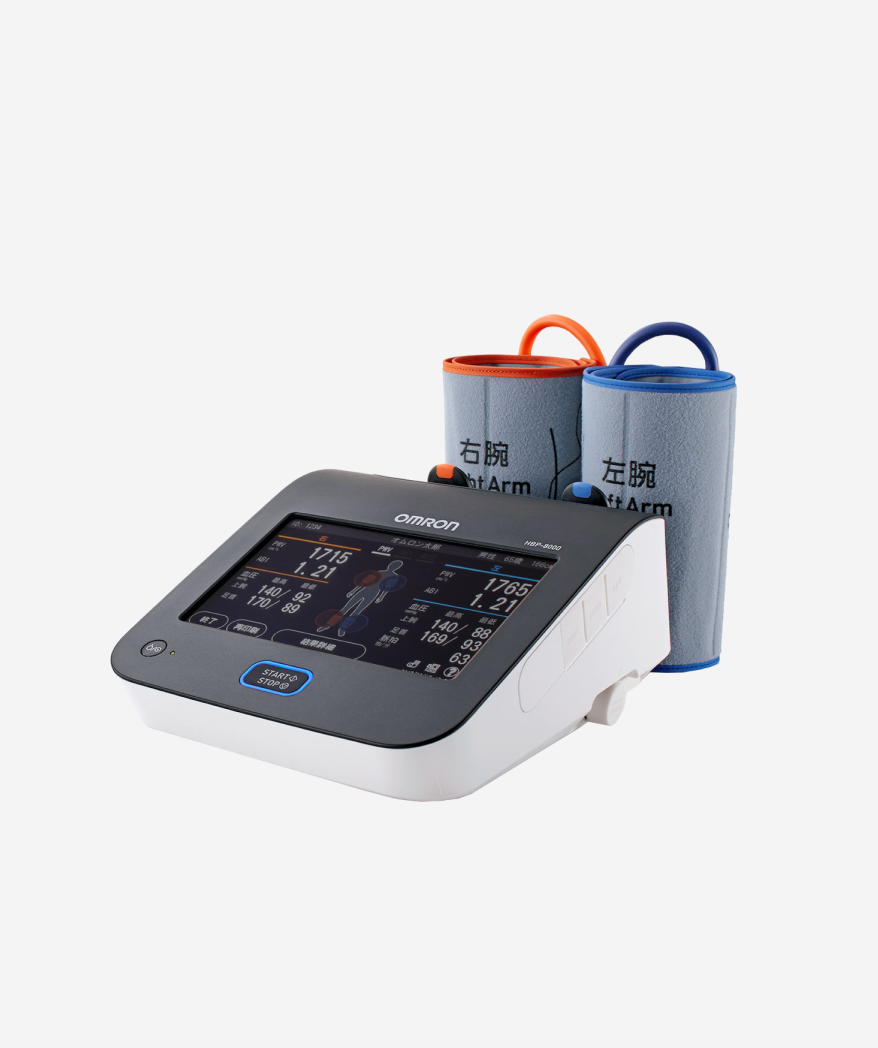
Standard screening procedures typically include blood pressure measurement, physical measurements, blood tests, urinalysis, and chest X-rays. Depending on the individual's occupation or purpose of stay, additional tests—such as liver function, blood glucose, hepatitis, or tuberculosis screening—may be included.
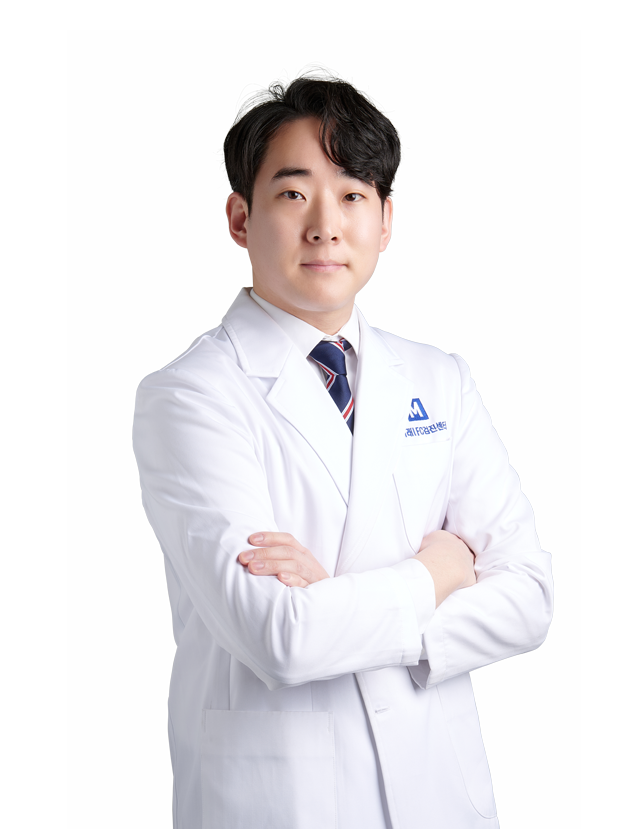
Baek Seung-hyeok, Director of the Busan Yonsei Mirae IFC Medical Check-up Center, emphasized, "Foreign nationals often miss the optimal time for medical treatment despite experiencing symptoms due to language barriers and differences in healthcare systems." He added, "Early detection through regular check-ups is crucial, especially for chronic conditions like hypertension, diabetes, and dyslipidemia, which often lack noticeable early symptoms."
The importance of health management is further heightened for foreign nationals due to changes in their living environments. Factors such as shifts in dietary habits, stress, and sleep deprivation—often associated with work environments or life as an international student—can negatively impact health. In particular, workers exposed to long hours frequently report musculoskeletal disorders or digestive issues, necessitating careful health management.
If you are planning a medical check-up, it is essential to be aware of the necessary precautions. Procedures involving blood tests may require fasting for a certain period, and any medications currently being taken must be disclosed to the medical staff in advance. Additionally, one should verify instructions regarding required items, such as identification documents like a passport or alien registration card.
Recently, an increasing number of medical institutions are offering multilingual services to enhance convenience for foreign patients. Healthcare accessibility is gradually improving as more facilities provide support—ranging from appointment scheduling to consultations on test results—in various languages such as English, Chinese, and Vietnamese.
Hospital Director Baek Seung-hyuk advised, "The longer one stays in the country, the greater the potential health risks associated with environmental factors," adding, "It is advisable to adopt the habit of undergoing regular check-ups proactively to safeguard one's health."