













notice
| 제목 | High Cure Rates for Early Detection of Gastric and Colorectal Cancer v… |
|---|---|
| 작성시간 |
작성일 25-02-25 13:09
|
| 조회 | 조회 2,351회 |
본문
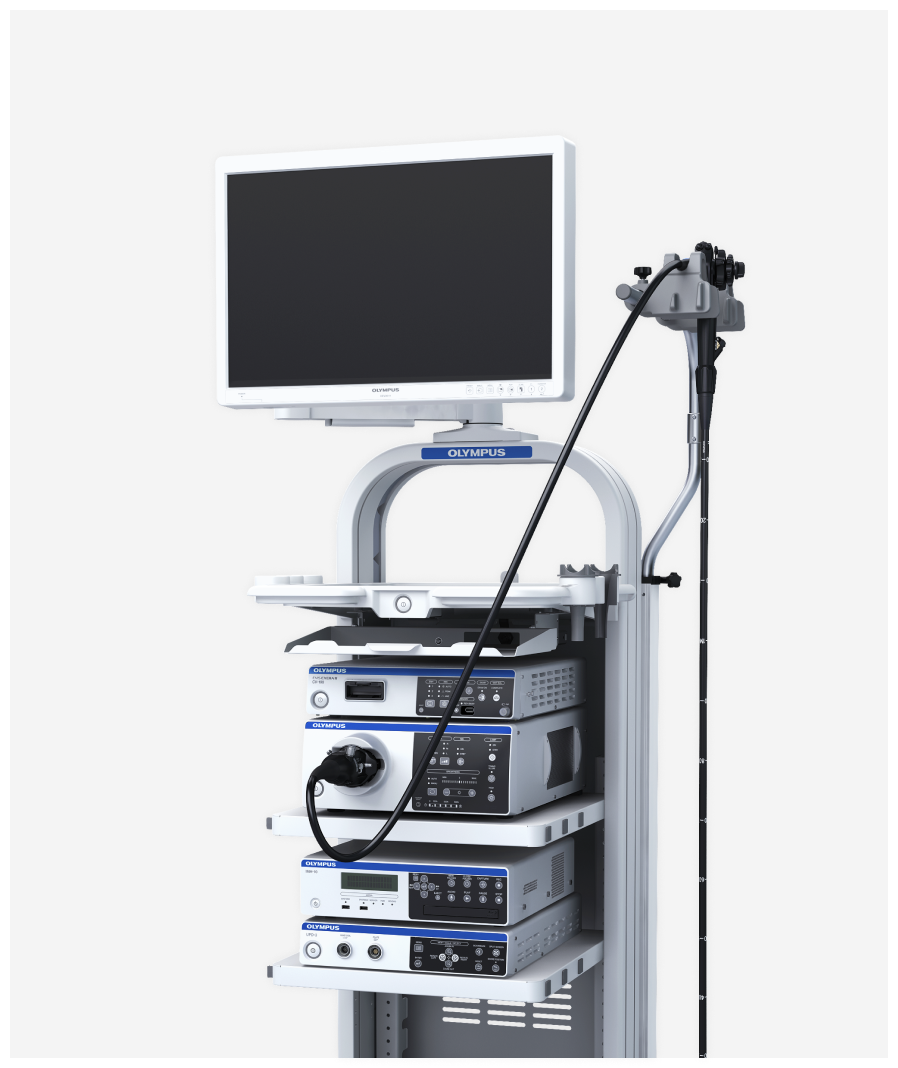
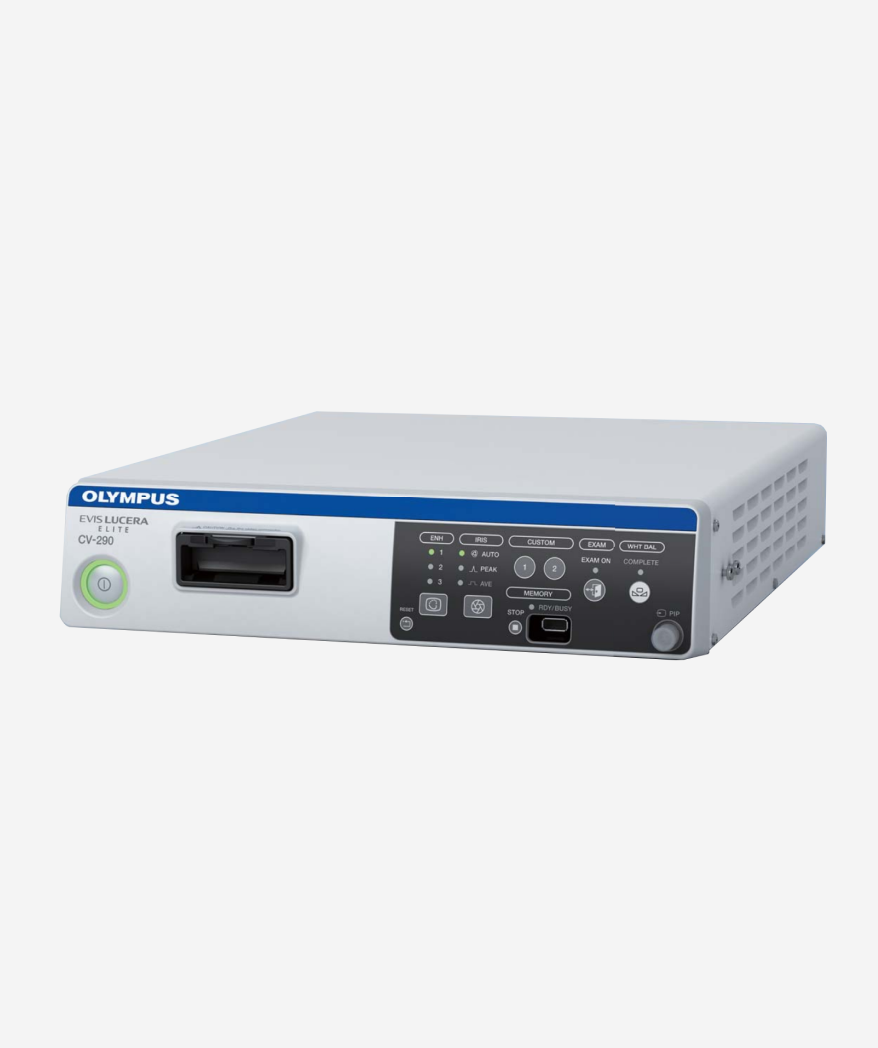
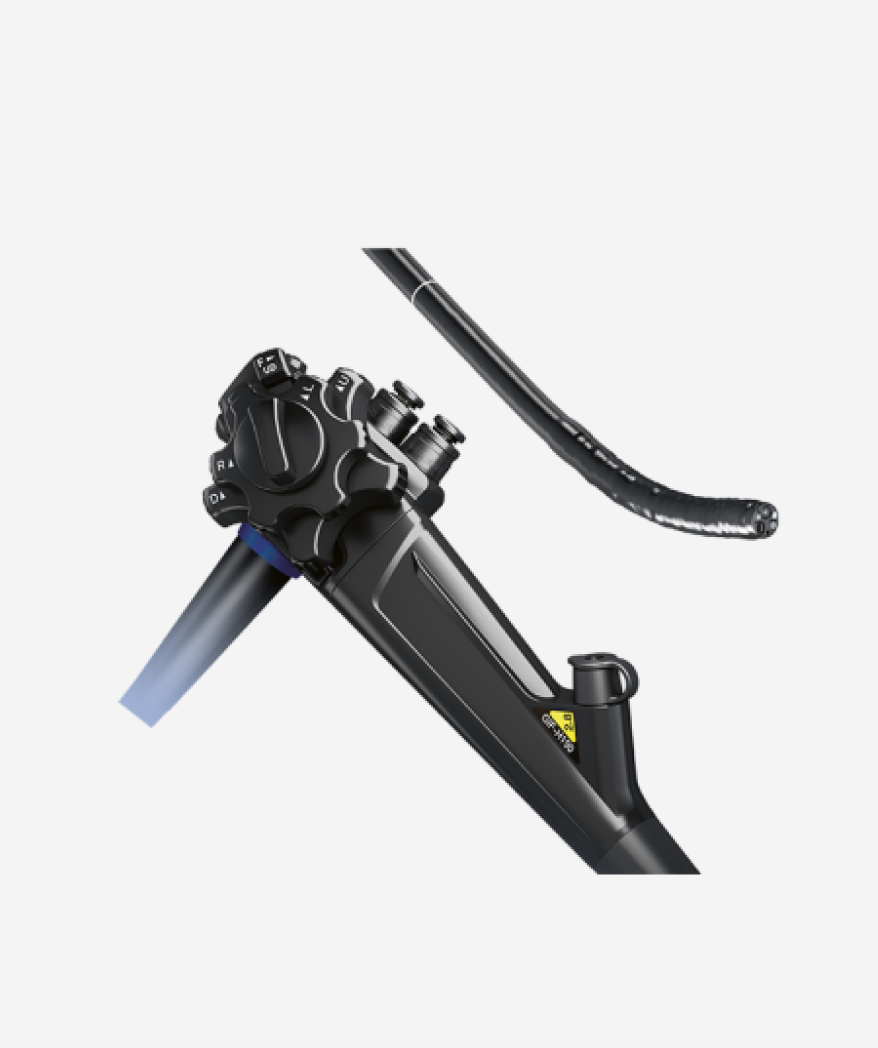
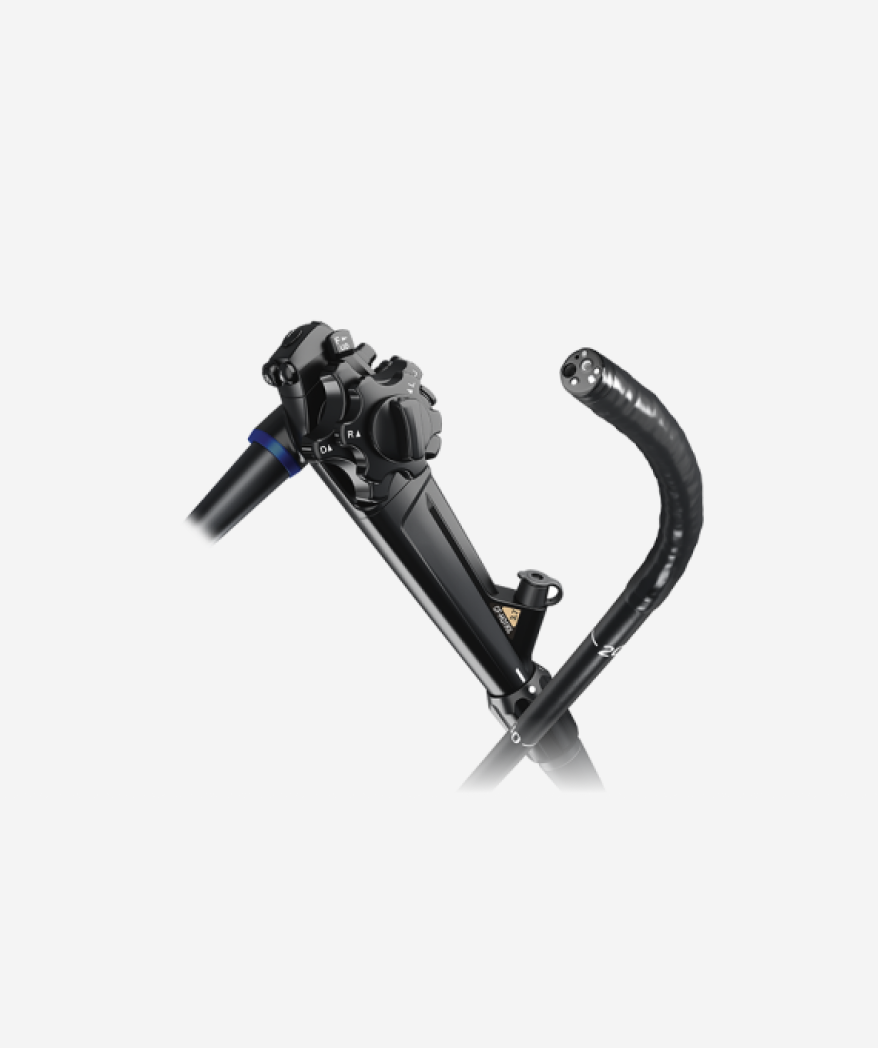
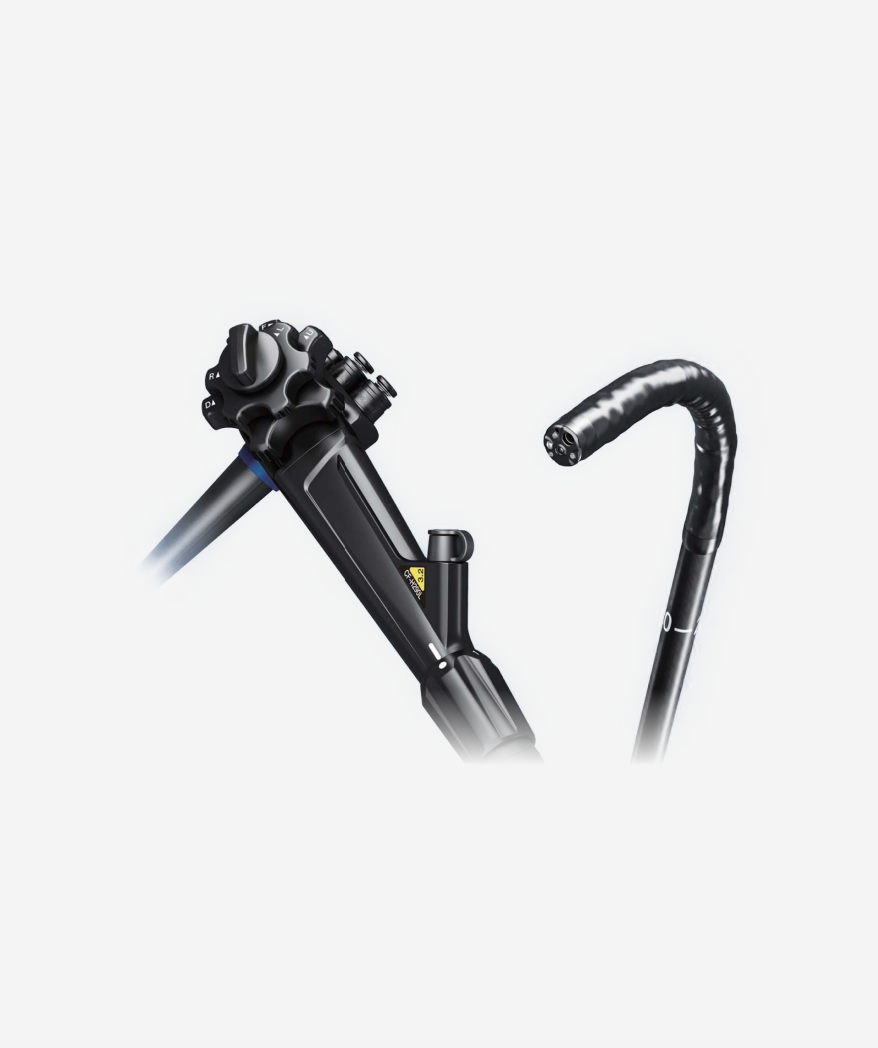
Endoscopic examinations can be broadly categorized into gastroscopy (upper endoscopy) and colonoscopy. Gastroscopy involves inserting an endoscope through the mouth to examine the esophagus, stomach, and part of the duodenum. Since gastric cancer has the highest incidence rate among all cancers in Korea, regular gastroscopy is essential. In cases of early-stage gastric cancer, a cure rate of over 90% can be expected through surgical intervention or, in certain instances, endoscopic surgery. If a lesion—such as a polyp or an area of abnormality—is detected during the procedure, immediate resection or tissue sampling can be performed.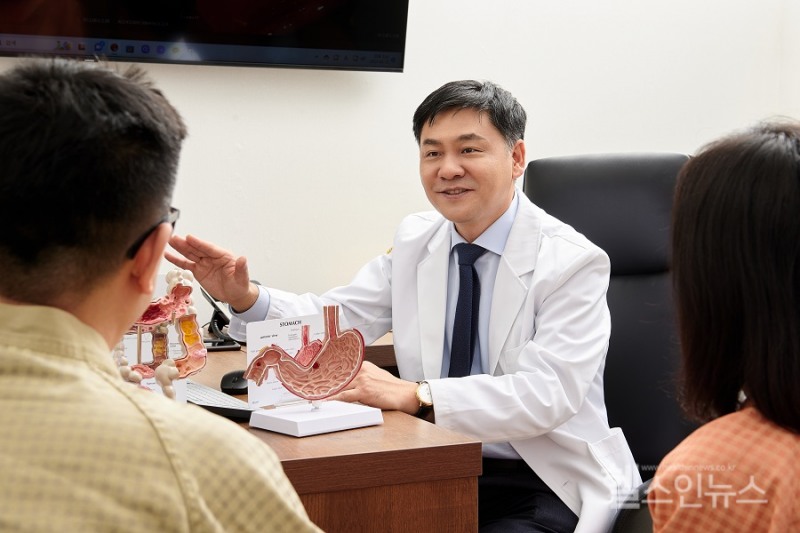
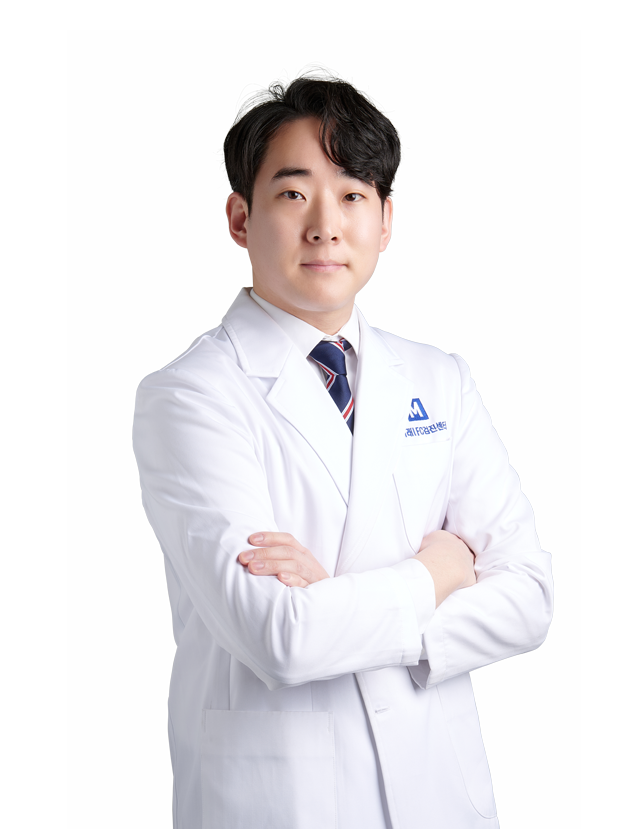
Dr. Baek Seung-hyeok, Representative Director of Busan Future IFC Medical Check-up Center
While there are various medical conditions that necessitate a gastroscopy, adults aged 40 and older should undergo the procedure approximately once a year—even in the absence of specific symptoms—to facilitate the early detection of gastric cancer and other disorders. Similarly, a colonoscopy is essential for adults aged 50 and older to diagnose early-stage colon cancer and polyps, regardless of whether specific symptoms are present.
However, acute gastric mucosal lesions may rarely occur following the procedure; such complications should be suspected if symptoms like epigastric pain, vomiting, or bleeding develop three to seven days after the examination. Hypersensitivity reactions to the anesthetics used for sedation can occur, and injections of parasympathetic blocking agents may temporarily aggravate conditions such as glaucoma or prostatic hyperplasia. Nevertheless, the incidence of these complications is extremely low, and most can be detected during or immediately after the procedure. To minimize the risk of complications, it is crucial to consult thoroughly with a physician beforehand and provide accurate information regarding one's medical and medication history.
In addition, bleeding can occur as a complication of polypectomy, but this can generally be prevented by performing the procedure carefully. However, spontaneous bleeding that occurs very rarely around one week after polypectomy is caused by secondary infections by intestinal bacteria and cannot be prevented at the time of the procedure. Therefore, while it is advisable to take precautions such as avoiding excessive alcohol consumption to prevent such spontaneous bleeding, it is more important to undergo an endoscopy promptly if a large amount of dark blood is observed during a bowel movement.
(Written by: Baek Seung-hyeok, Chief Director of Busan Mirae IFC Health Checkup Center)
Source: Healthinnews (https://www.healthinnews.co.kr)