


Medical staff introduction
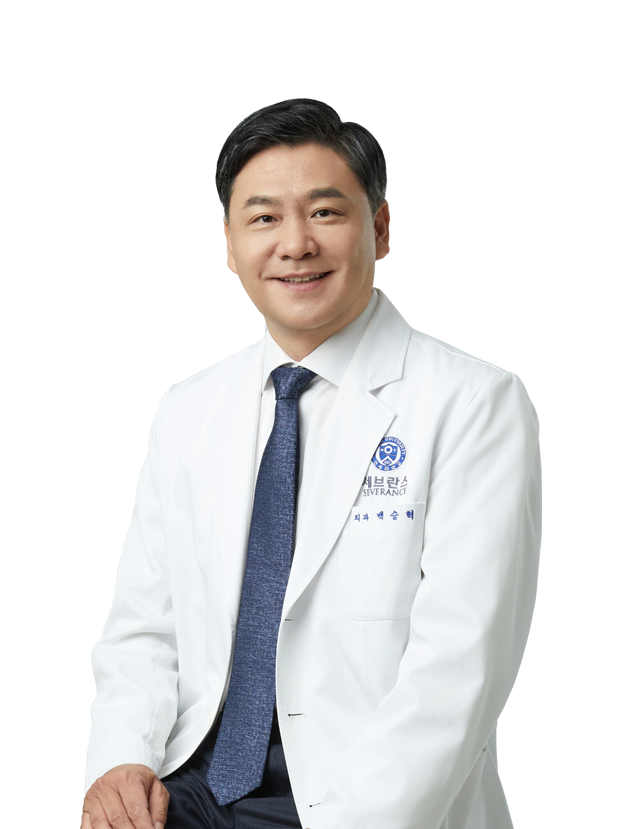
Hospital Director / Doctor of Medicine
Baik, Seung Hyuk, FASCRS. M.D., Ph.D.
-
Currently
- Supreme Court expert reviewer
- Vice President of the Korean Society of Colon and Proctology
- International member of the American College of Colorectal Surgery
(International Fellow, The Americal Society of Colon and Rectal Surgeons) - Vice President of Busan Surgical Society
- Expert member of Busan Public Medical Committee
- Busan Metropolitan City Autonomous Police Policy Advisory Committee Member
- Vice President of the Korean Society of Colon and Proctology Before
- Professor, Department of Surgery, Severance Hospital, Yonsei University College of Medicine (2006-2022) - Professor at Colorectal Cancer Center (2006-2014) - Director of Colorectal Cancer Center (2015-2022) - Planning Department Director (2017-2018) - Director of Medical Cooperation Center (2021-2022)
- Vice President, Korean Peritoneal Cancer Society (2021-2022)
- Special Director, Busan Surgical Society (2023)

- Announcement of survival results for stage 4 colon cancer Hi-Pac surgery for the first time in Korea (April 2022)
- Asia’s first robotic rectal cancer surgery performed (June 2006)
- Performed the world’s first robotic rectal cancer surgery in 100 cases (2007)
- National Cancer Conquest Multicenter Study (Colon Cancer) Senior Researcher (2013-2016)
- Member of the Education Committee of the Korean Surgical Society (2012-2013)
- Member of the Public Relations and Public Relations Committee of the Korean Society of Colon Proctology (2011-2013)
- Member of the Academic Committee of the Korean Society of Colon and Proctology (2014-2015)
- Member of the Planning Committee of the Korean Society of Endoscopic Laparoscopy (2012-2013)
- Member of the Editorial Committee of the Korean Society of Endoscopy and Laparoscopy (2014-2015)
- Member of the Planning Committee of the Korean Society of Surgical Infectious Diseases (2014 - 2015)
- Digestive Disorders Research Fellow, Korean Medical Association (2007)
- Colon cancer researcher at Adult Solid Tumor Research Center (2004-2006)
- Colon cancer researcher at Jangam Biochip Development Center (2004-2006)
- Member of the Inflammatory Bowel Disease Research Group of the Korean Society of Colon and Proctology (2011~)
- Korean Surgical Society Examination Committee Member (2012)
- Member of the Korean Medical Examination Committee (2013)
- Korean Society of Surgical Infectious Diseases Planning Committee (2014-2015)
- Korean Society of Colon and Proctology Inflammatory Bowel Disease Research Group (2011-2022)
- Member, Society of Surgical Oncology (SSO) (International)
- Member, American Society of Colon and Rectal Surgeons (ASCRS) (International)
- Member, Society of American Gastrointestinal Endoscopic Surgeons (SAGES) (International)
- Member, Association of Surgeons, Gastroenterologists and Oncologists (International)
- Annals of Surgical Oncology reviewer
- Disease of Colon and Rectum reviewer
- Annals of Surgery reviewer
- Official journal of the Korean Society of Endoscopic & Laparoscopic Surgeons reviewer
- Journal of the Korean Surgical Society reviewer
- World Journal of Gastroenterology reviewer
- International Journal of Advanced Robotic System Editorial Board Member
- World Journal of Gastrointestinal Endoscopy Editorial Board Member

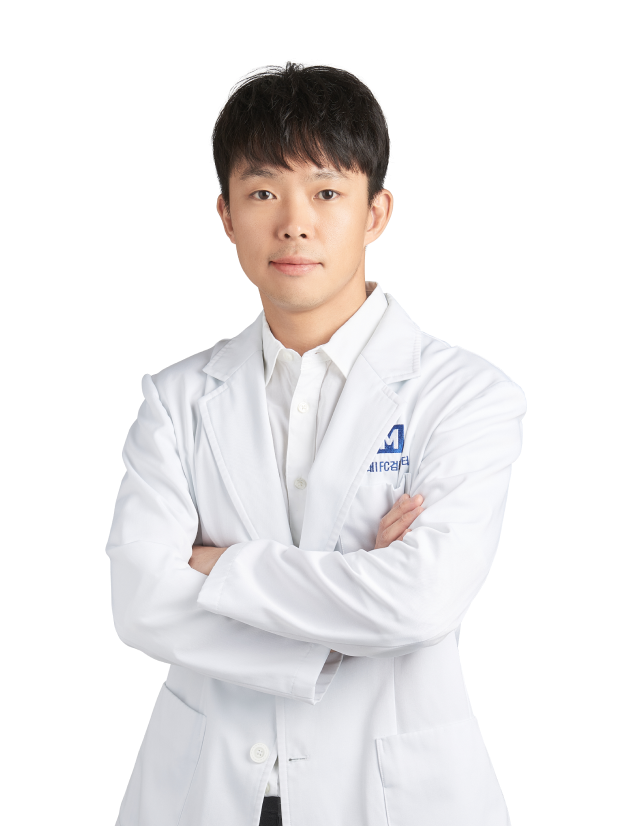
Gastroenterology endoscopy subspecialist
Kang Moo-jin
- Hanyang University School of Pre-med / School of Medicine
- Specialist in Internal Medicine (Completed Internship/Residency at Hanyang University Medical Center)
- Former Fellow in Gastroenterology, Yangsan Pusan National University Hospital
- Former Clinical Professor in Gastroenterology, Yangsan Pusan National University Hospital

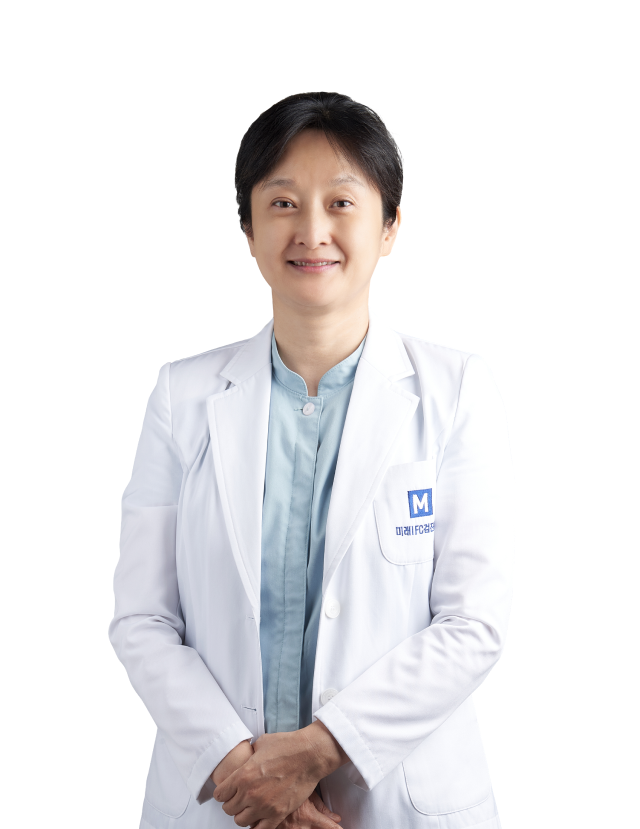
Family medicine specialist
Lee, Ji Won
- Graduated from Pusan National University College of Medicine
- Completed residency and obtained specialist certification in Family Medicine at Pusan Paik Hospital
- Fellow in Family Medicine at Pusan Paik Hospital
- Supervising Specialist in Family Medicine at Pusan Paik Hospital
- Regular Member of the Korean Society of Gastrointestinal Endoscopy
- Regular Member of the Korean Society for the Study of Obesity
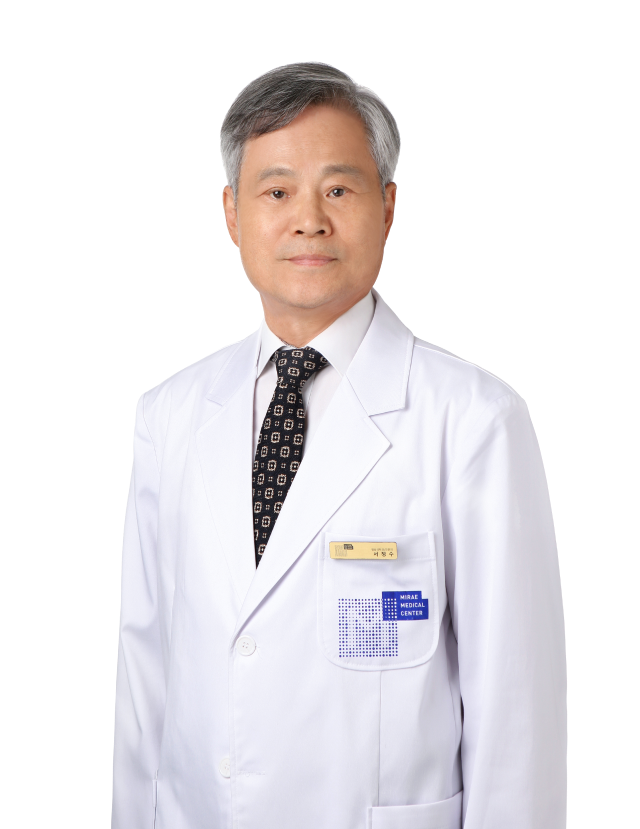
Radiologist
Seo Jeong-su
- Doctor of Medicine / Board Certified Radiologist
- Served as Professor at Ewha Womans University College of Medicine
- Served as Clinical Professor, Department of Health Medicine, Samsung Seoul Hospital
- Visiting Fellow, MD Anderson Cancer Center, USA
- Served as Head of the Department of Radiology at Medipium Medical Corporation's Seohyeon, Pangyo, and Dongtan Hospitals
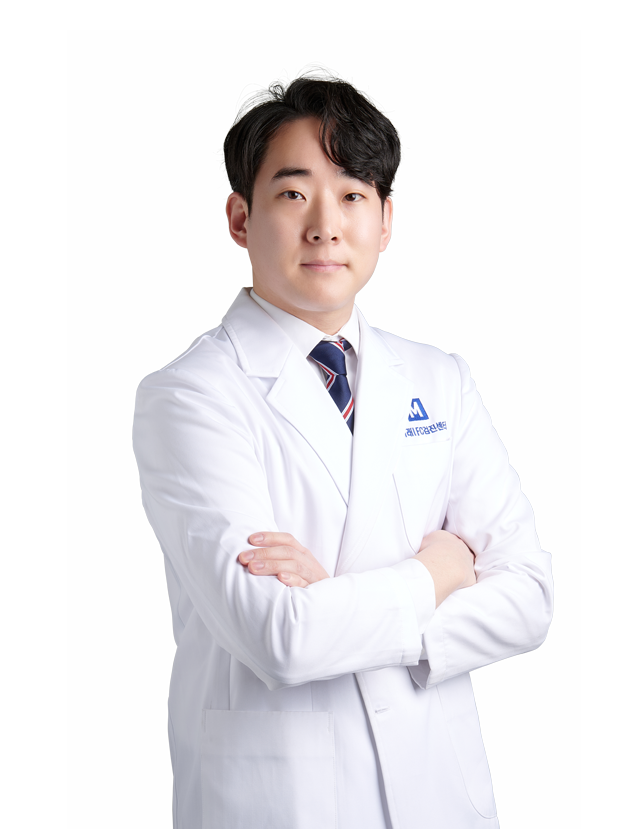
Occupational and Environmental Medicine Specialist
Ju, Su Hwan
- Graduated from Dong-A University School of Medicine
- Completed Internship at Dong-A University Hospital
- Completed Residency in Occupational and Environmental Medicine at Dong-A University Hospital
- Certified Board Member in Occupational and Environmental Medicine
- Regular Member of the Korean Association of Occupational and Environmental Medicine
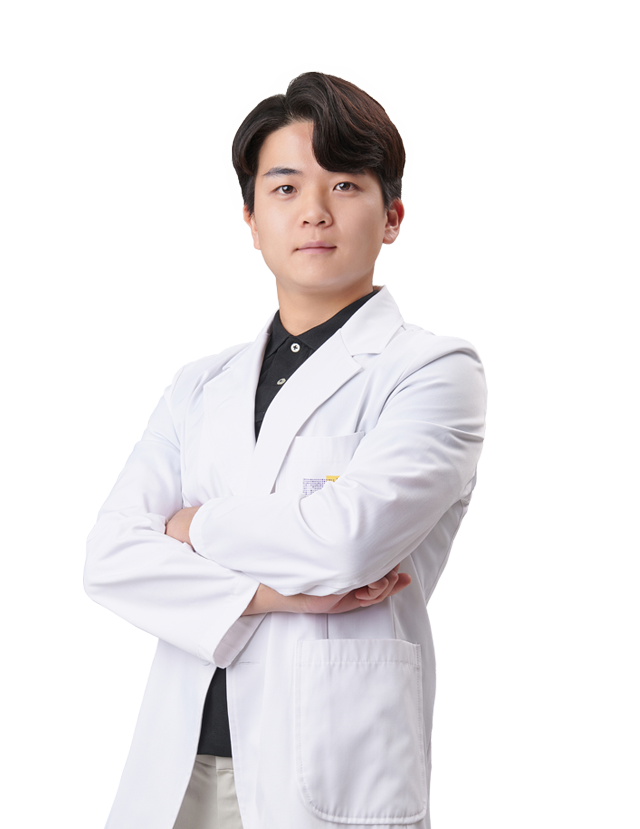
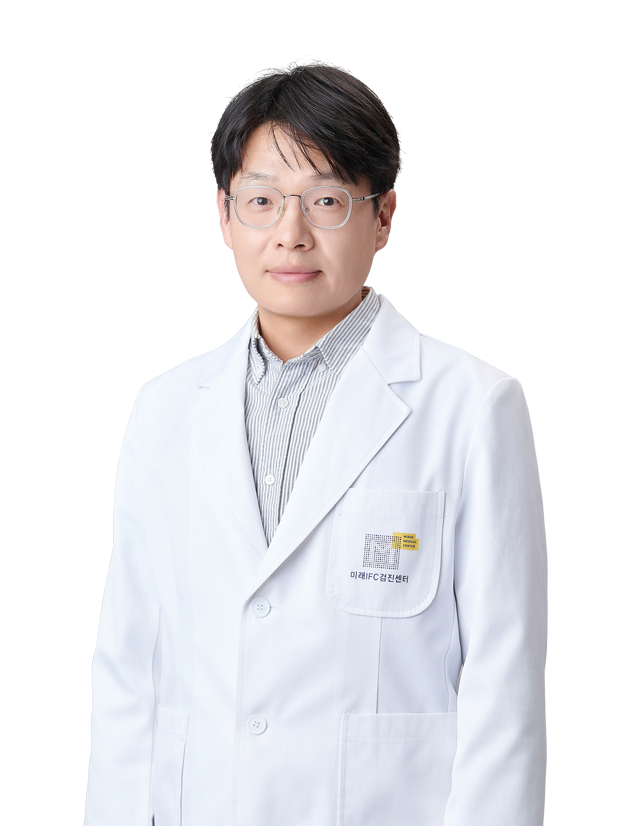
internal medicine specialist
Kim, Seung Ju
- Chosun University College of Medicine
- Internal Medicine Specialist, Gwangju Veterans Hospital
- Former Director of Internal Medicine, Gwangju Kkori Hue Hospital
- Former Director of Internal Medicine, Gwangju Segyero Hospital
- Former Head of Internal Medicine, Busan Dongnae Health Management Association
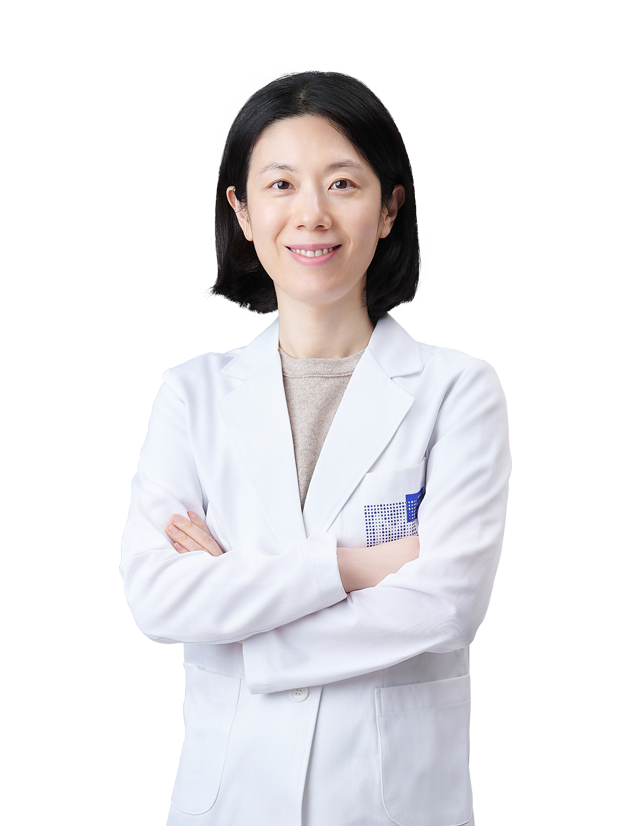
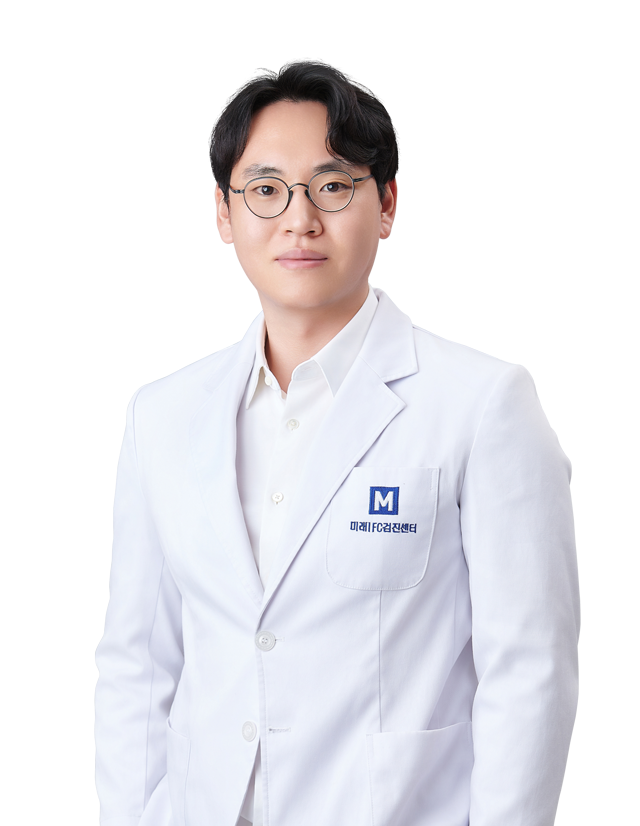
Equipment introduction

Equipment introduction
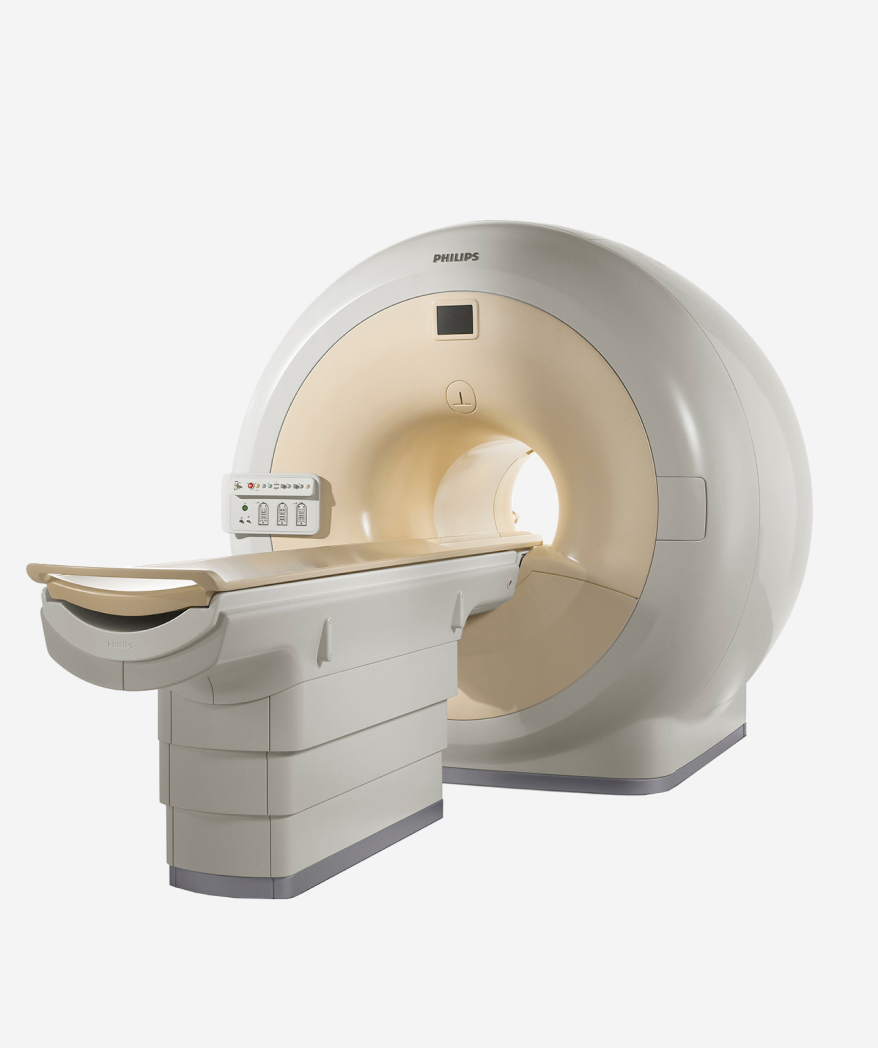
3.0T MRI
- Early detection of stroke, cerebral hemorrhage, and dementia is important.
- The T in front of MRI indicates the magnetic field strength in Tesla units. The larger the number of T, the higher the resolution. 3.0T MRI has more than twice the resolution and faster imaging speed than 1.5T.
- The higher the resolution of MRI, the clearer the image results can be obtained. Small lesions, nerves, and blood vessels that could not be identified with existing low-resolution MRI Diseases can be accurately diagnosed through 3.0T MRI.

- ▣ Equipped with Philips’ proprietary MR technology!
- ▣ Resolution more than 2 times higher than existing 1.5T MRI
- ▣ Utilizes magnetic fields that are harmless to the human body

- 3.0T MRI (Magnetic Resonance Imaging) uses a superconducting magnet to generate a magnetic field and remove hydrogen atoms in the body. This is a device that obtains images of the characteristics of the human body through resonance.
- About soft tissues such as the brain, spine, musculoskeletal system, liver, pancreatobiliary duct, pelvis, and breast. Precise images are captured without the use of contrast media.
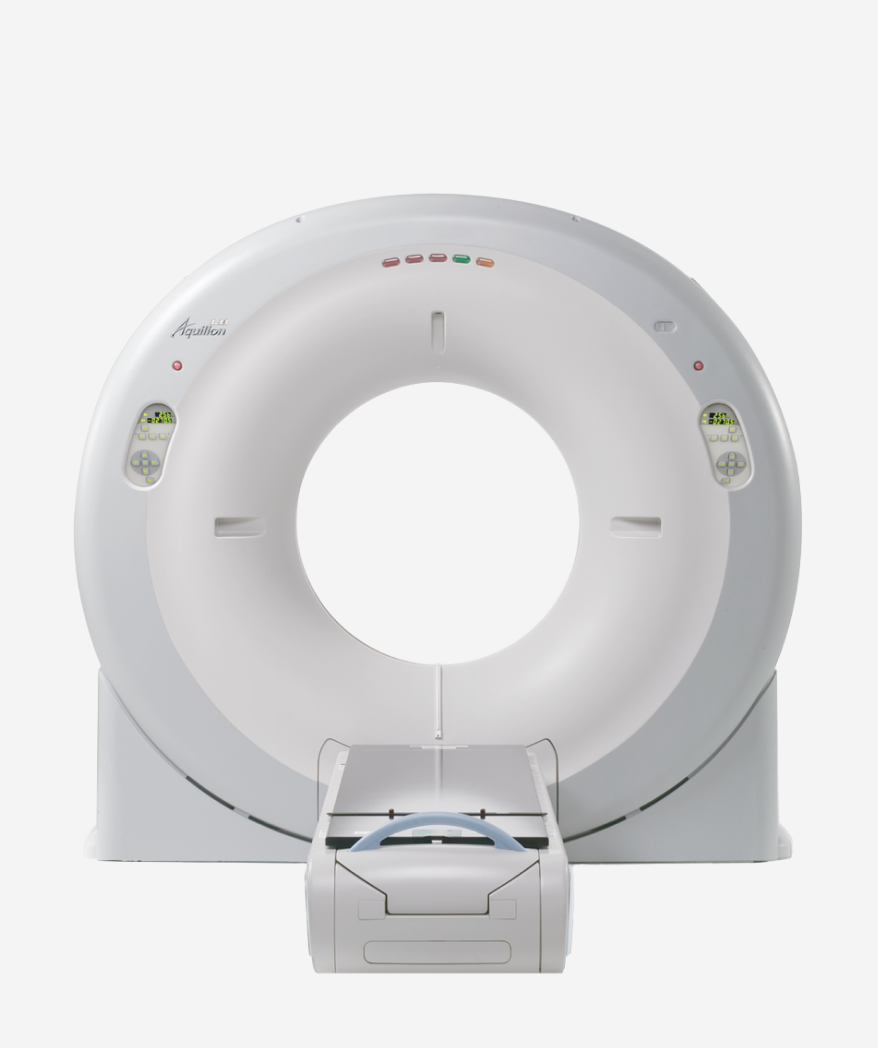
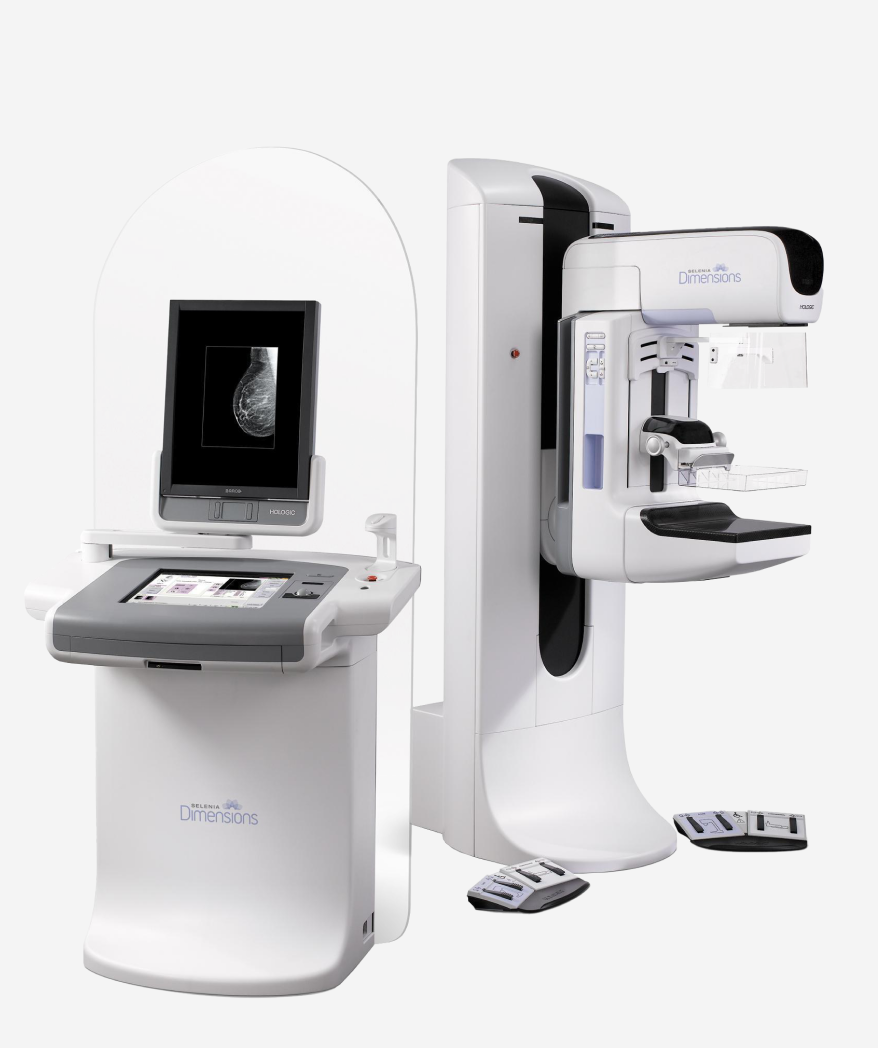
Mammography device
- Early diagnosis of breast cancer with artificial intelligence (AI) breast cancer imaging equipment!
- Selenia Dimensions from Hologic, USA, is the first in the world to be approved by the FDA. Through artificial intelligence (AI)-based computer-assisted diagnosis approved by MFDS We provide early diagnosis of breast cancer using mammography, the optimal medical equipment for cancer diagnosis.

- ▣ The world’s best mammography equipment approved by FDA and MFDS
- ▣ Minimize radiation exposure (1.2mGy)
- ▣ Precise diagnosis with 13.6 million pixel high-definition images
- ▣ Use of ergonomic breast compression paddle (FAST Paddle)

- 13.4 million won for testing equipment used to diagnose breast cancer early. Precise diagnosis is possible through high-definition images of pixels.
- Additionally, it automatically adjusts the optimal radiation dose to minimize unnecessary radiation exposure.
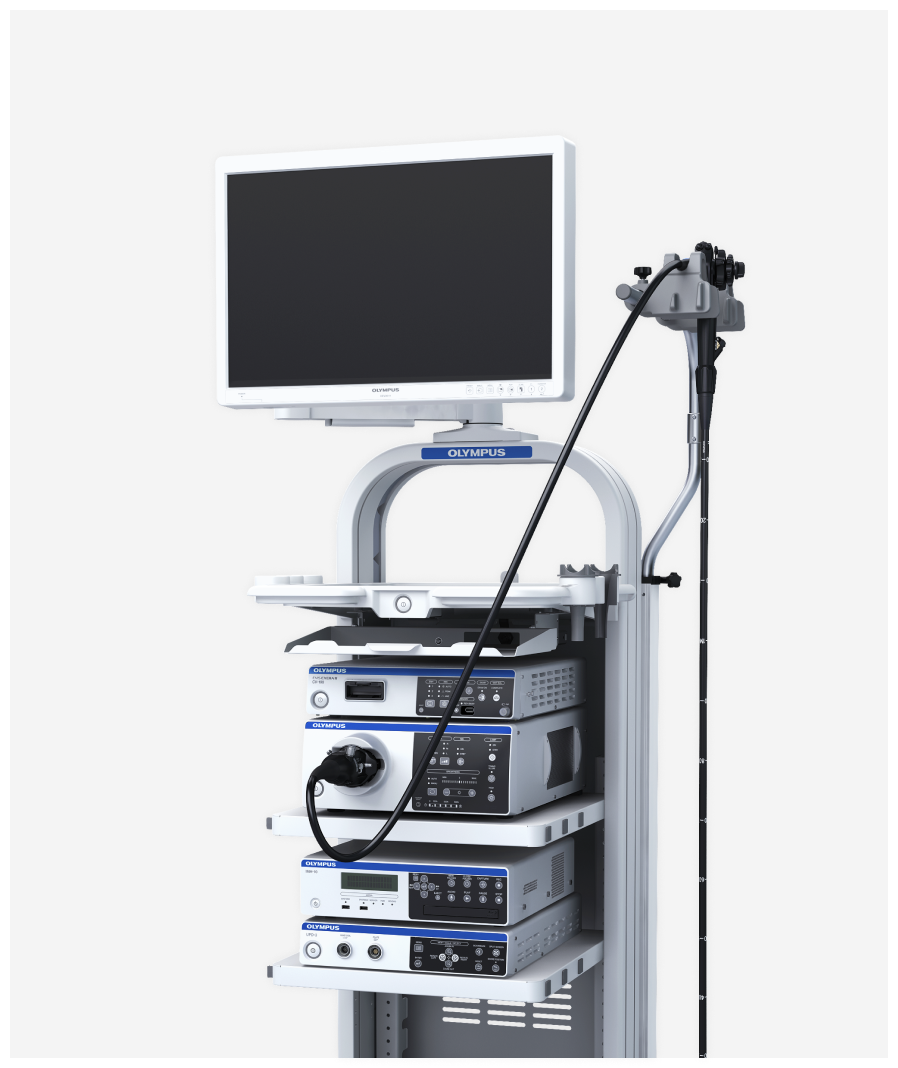
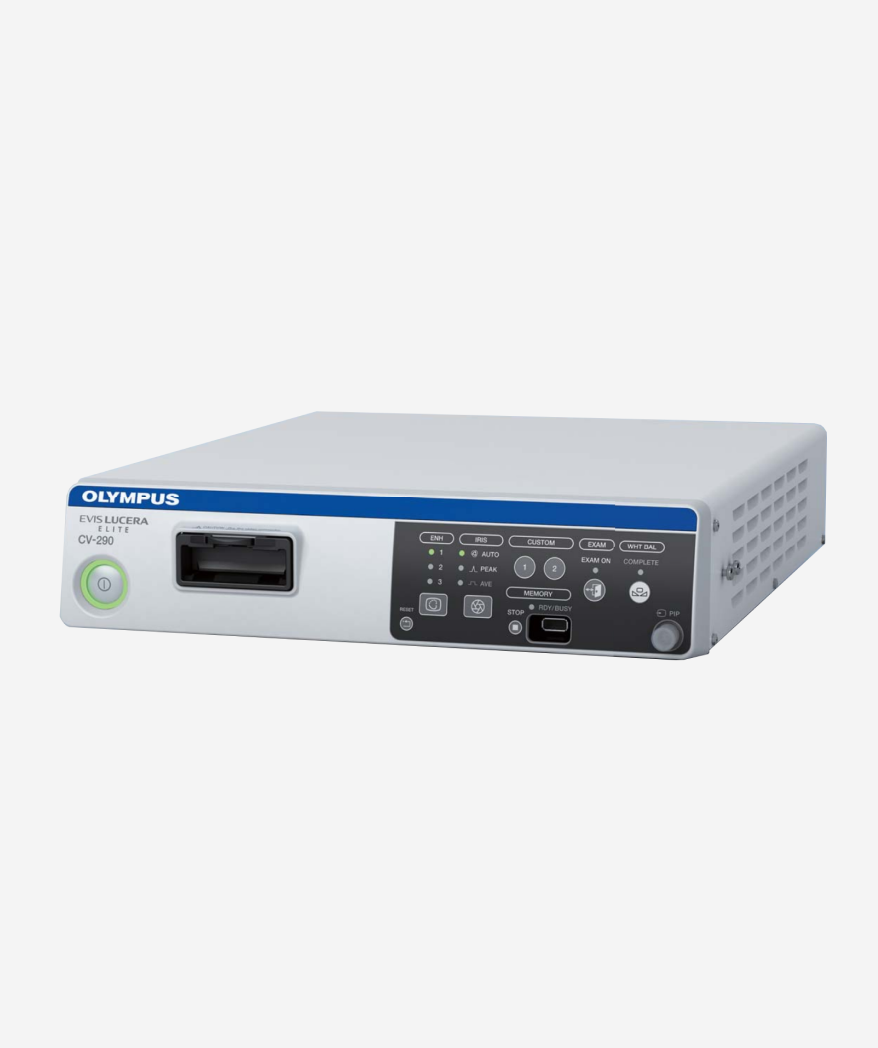
CV-290
- The highest specifications among existing endoscopy equipment
- Olympus' 290 endoscope model, known as the best endoscope on the market to date, is currently being introduced and operated in ALL.

- Accurate diagnosis with high-quality medical equipment
- Colonoscopy can detect colorectal cancer, colon polyps, various inflammatory bowel diseases, and ulcerative diseases. Colon cancer is a small polyp that grows larger and turns into cancer, so early colonoscopy, even if there are no symptoms, is the only way to prevent colon cancer from developing.
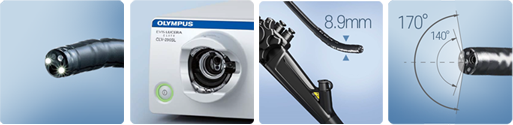
- High stomach and colon diagnosis rate
- New optical design increases the number of light guide fibers Sensitivity and brightness have been improved to detect fine details that are difficult to see with the naked eye. Small and unclear early cancer tissues can be easily distinguished.
- Pain relief function during colon examination
- The thin and flexible endoscope is convenient for insertion. Conventional colonoscopy due to smooth entry at the bend area Patients experience less pain than during the test.
- Bright and clear high-resolution HD video
- Difficulty-locating mucosal areas such as stomach and colon cancer, and microvascular By applying the latest optical technology, you can see in detail like a palm print. You can receive a quick and accurate diagnosis.
- Accurate diagnosis with wider viewing angle
- Due to the wider viewing angle of 170。 Wide angle Accurate diagnosis is possible without missing the surroundings.
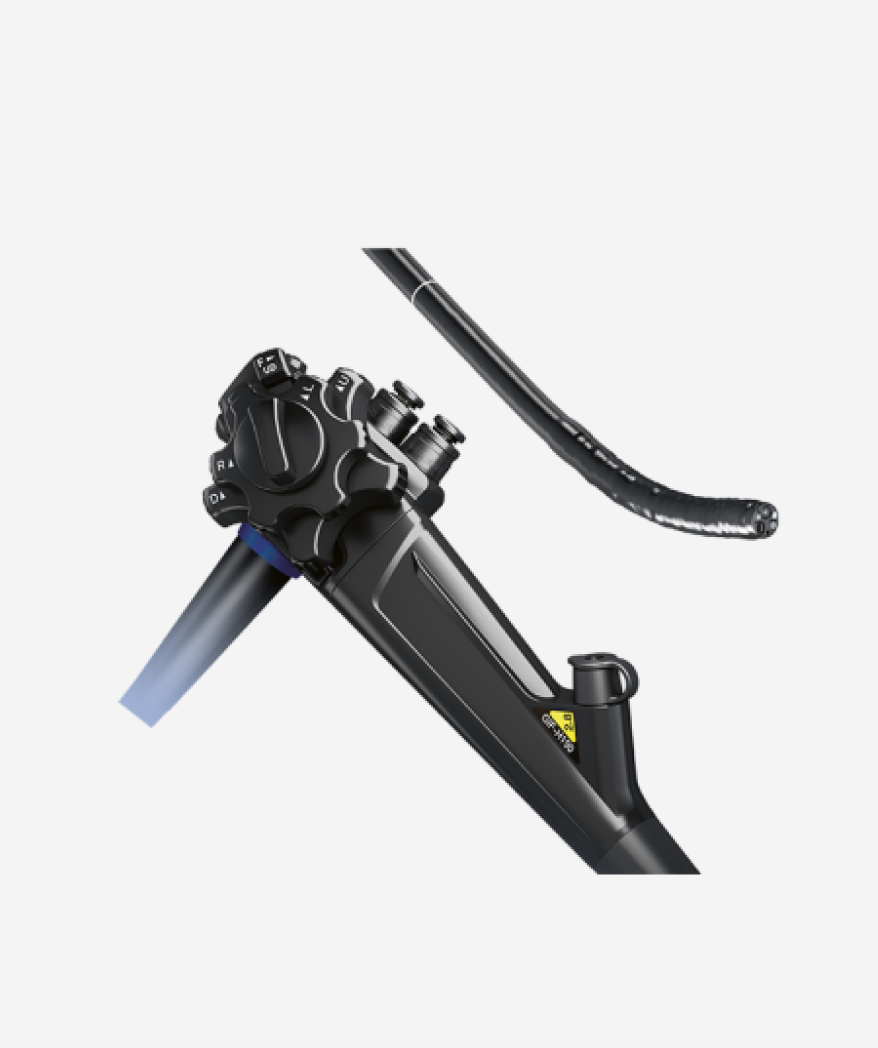
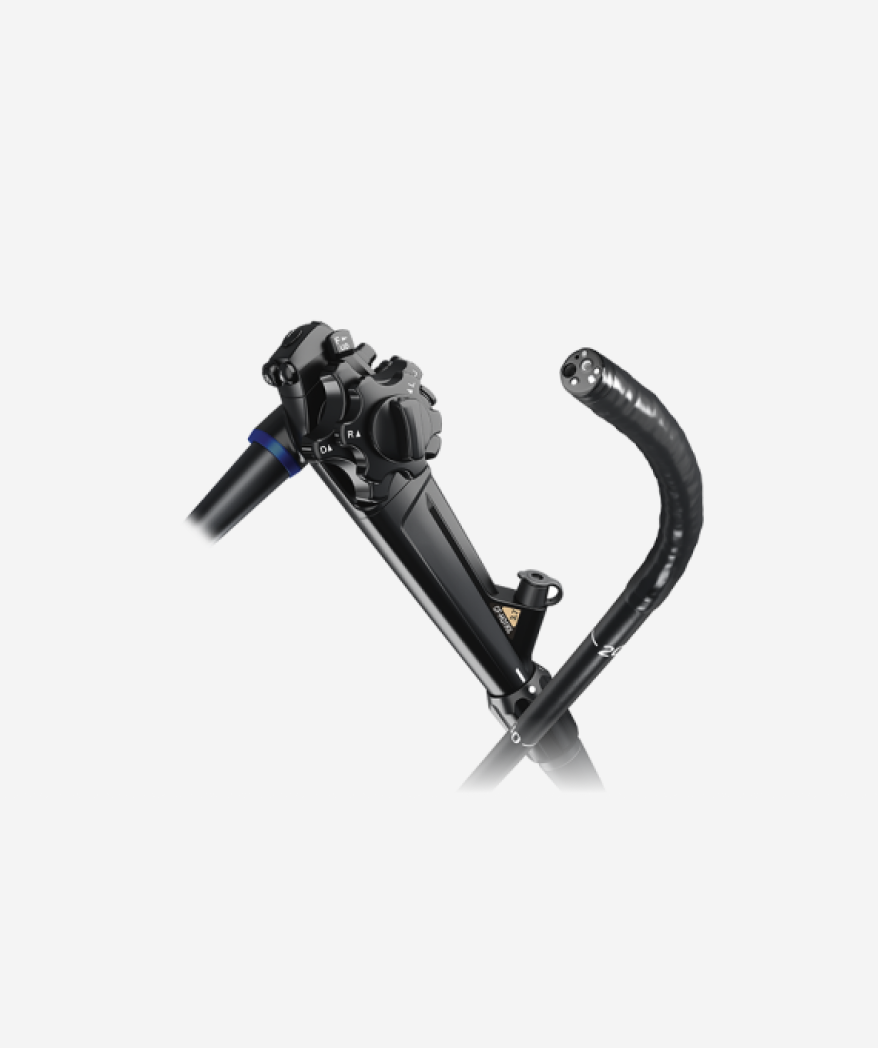
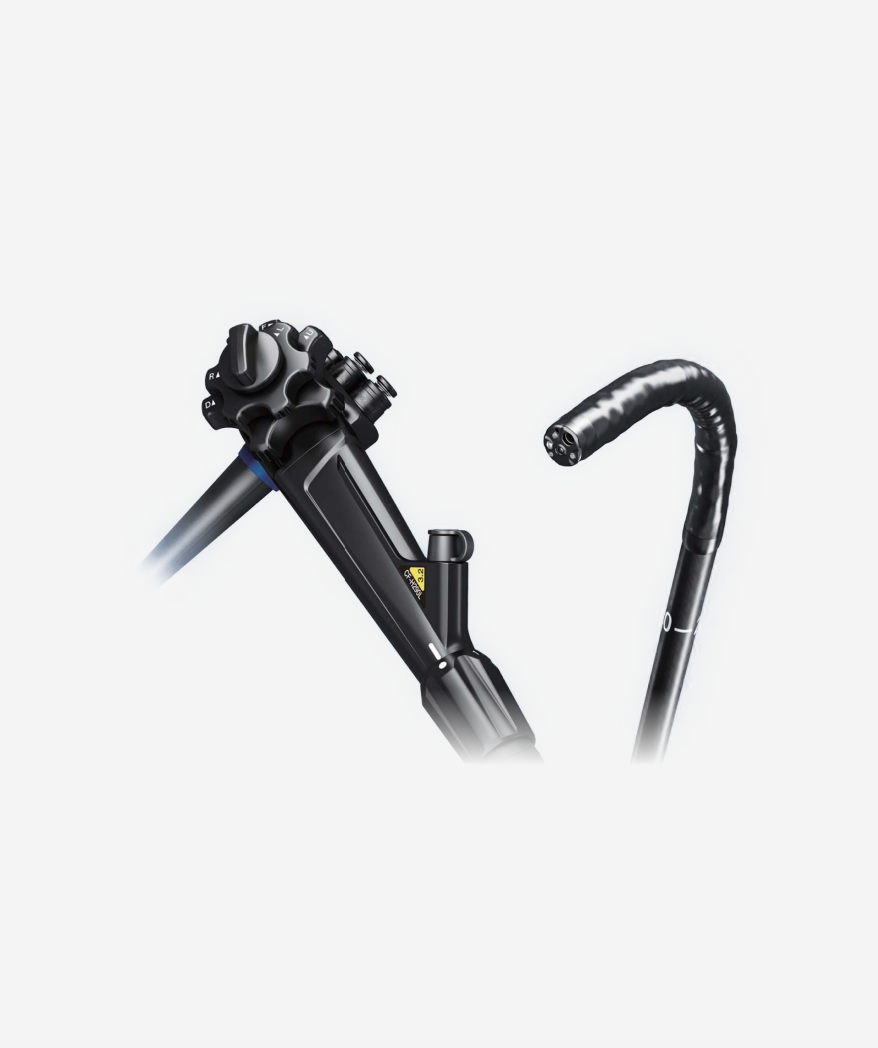
GIF-H290
- This video gastroscopy equipment allows for high-resolution observation with a thin insertion section of 8.9mm in diameter and excellent HDTV resolution. Additionally, the banding portion and curvature of the tip of the endoscope are short, allowing easier access to the esophagus and gastric angle.
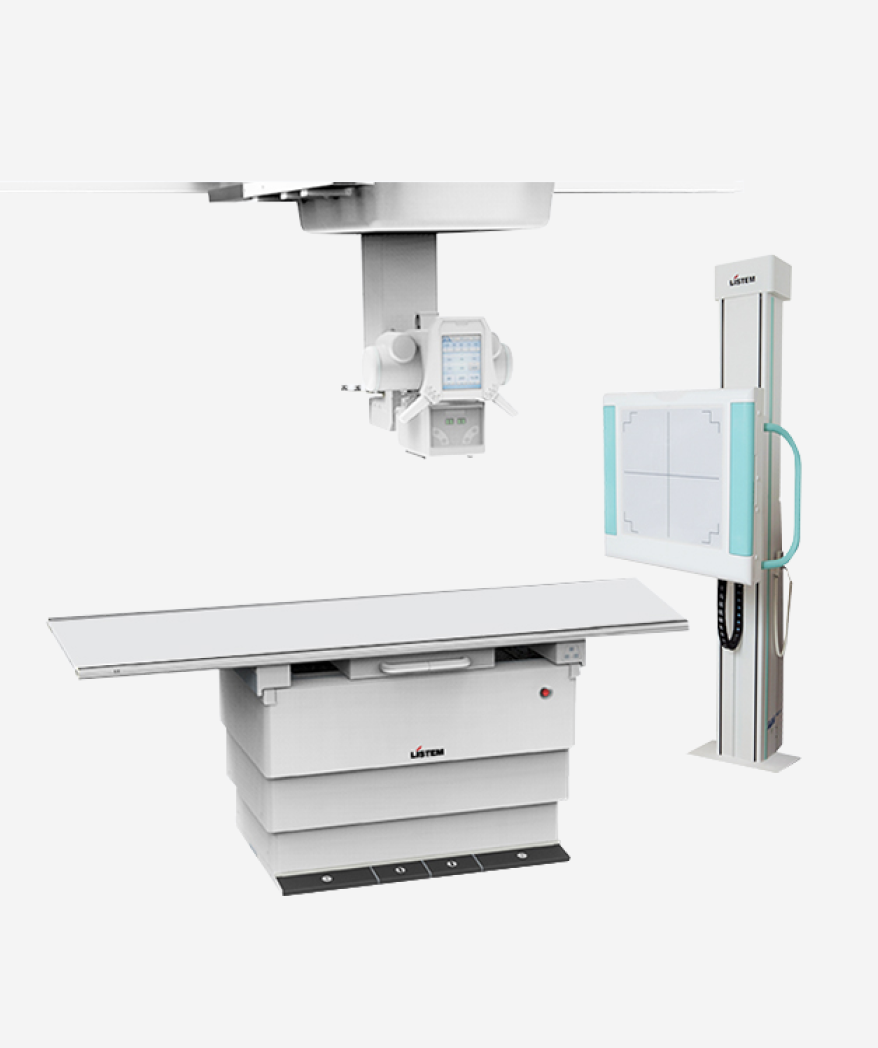
General X-ray imaging device
- It is a device that photographs the internal structures of the human body using ‘gamma rays’, a radioactive substance. It is commonly used to diagnose abnormalities in the lungs and bones, and is also used to diagnose various traumatic diseases including lung disease and fractures, degenerative changes in the spine and musculoskeletal system, inflammation, and tumors.
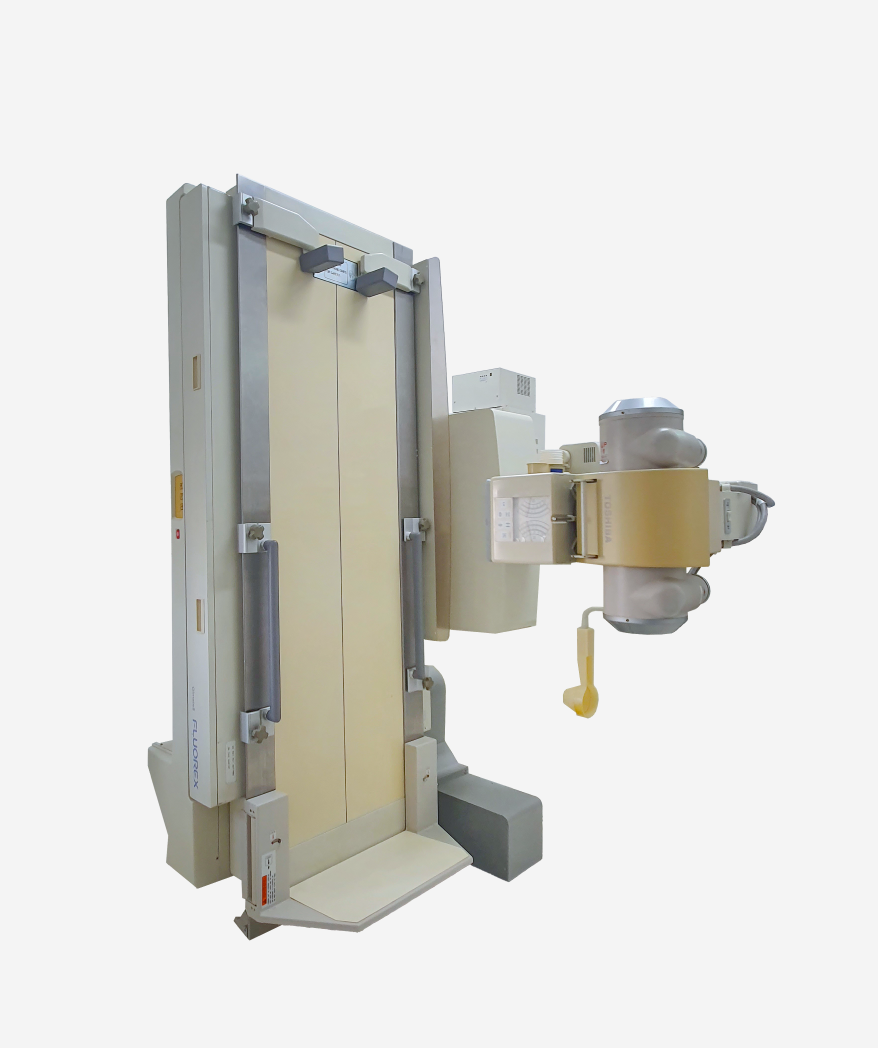
X-ray imaging and fluoroscopy equipment
- This is equipment for an indirect examination method that observes abnormalities and functional abnormalities of the esophagus, stomach, and duodenum by taking pictures after drinking a contrast medium such as barium suspension or iodine agent that does not transmit well to X-rays. There is less risk or discomfort, but it is less accurate than a gastroscopy, so a gastroscopy may be necessary if abnormal findings are found.
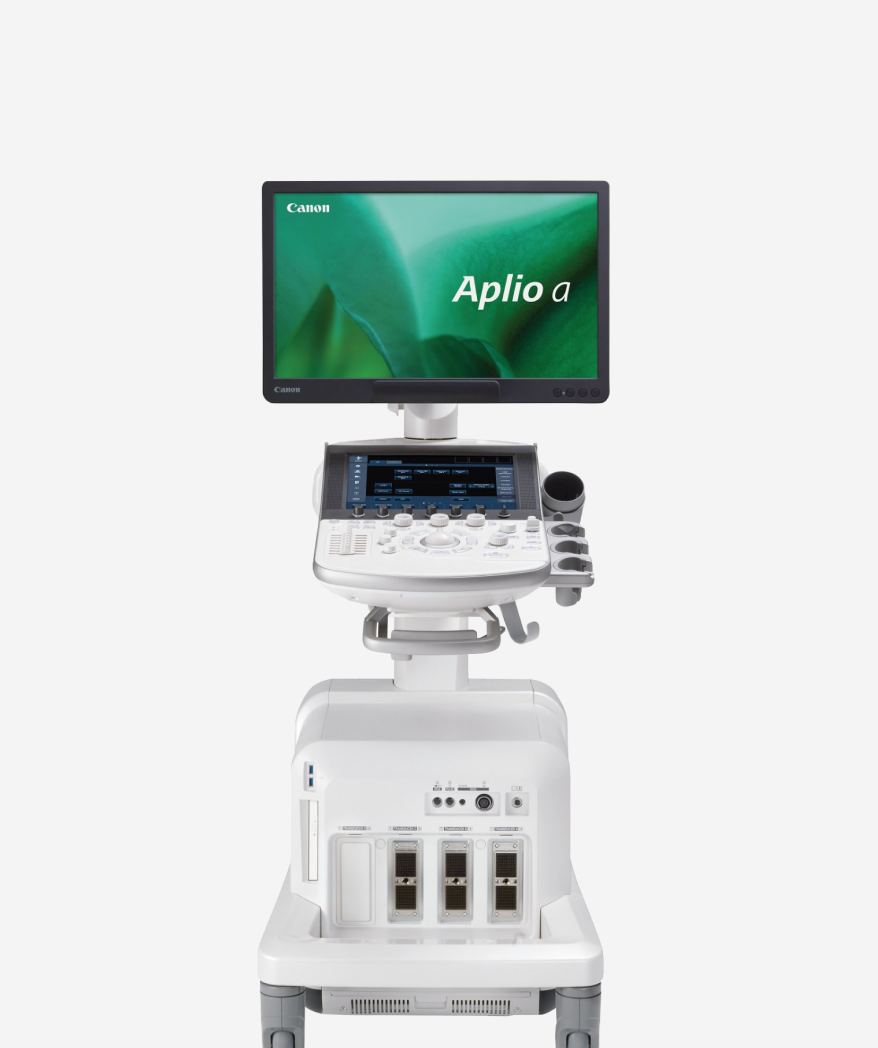
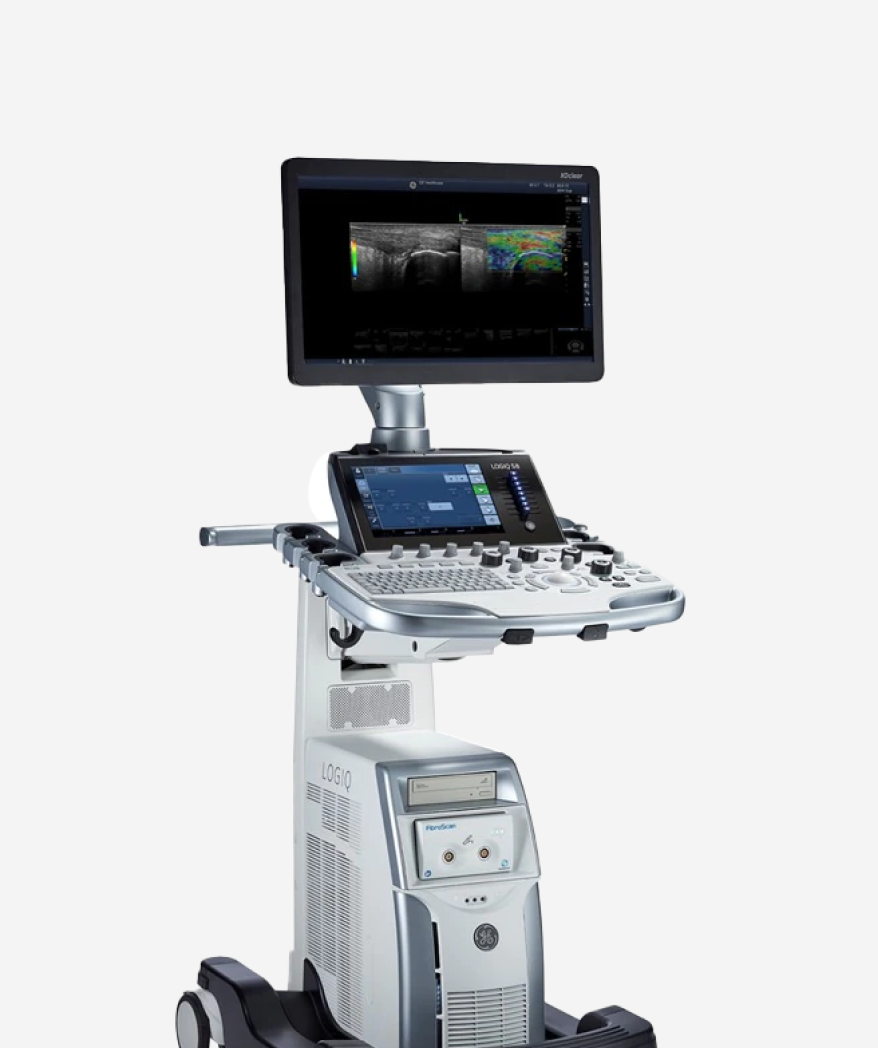
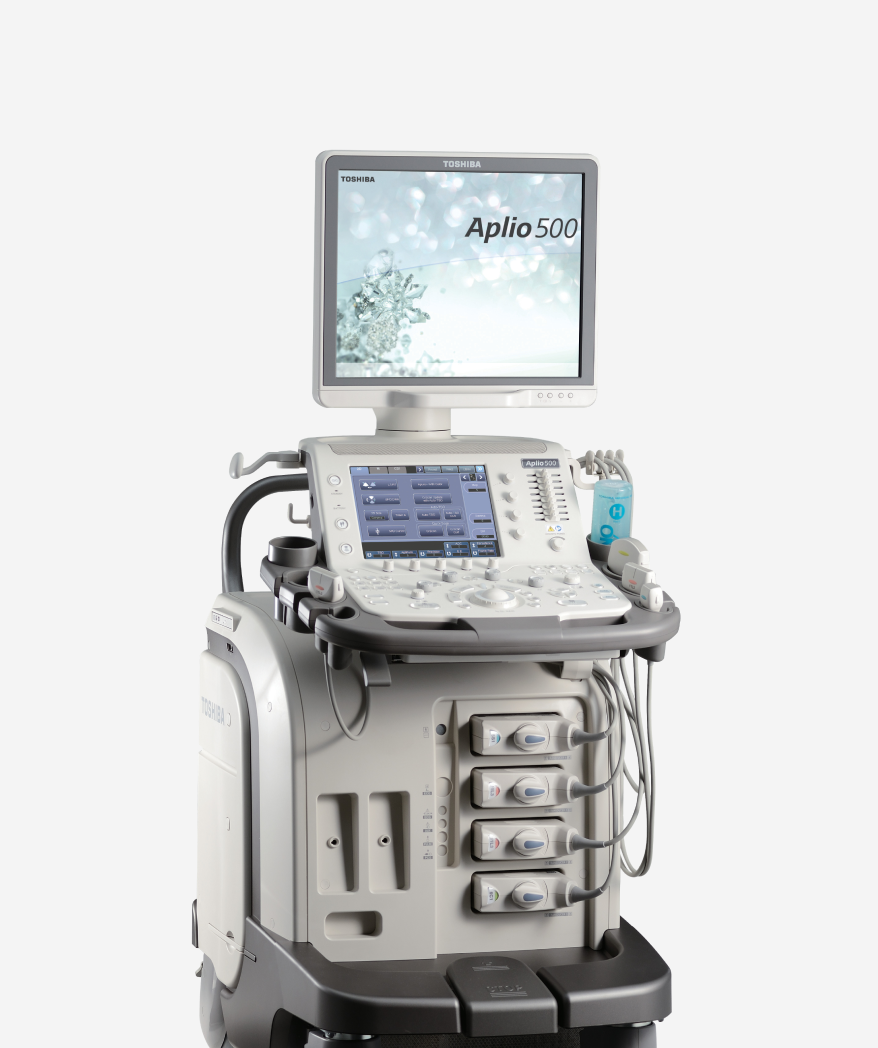
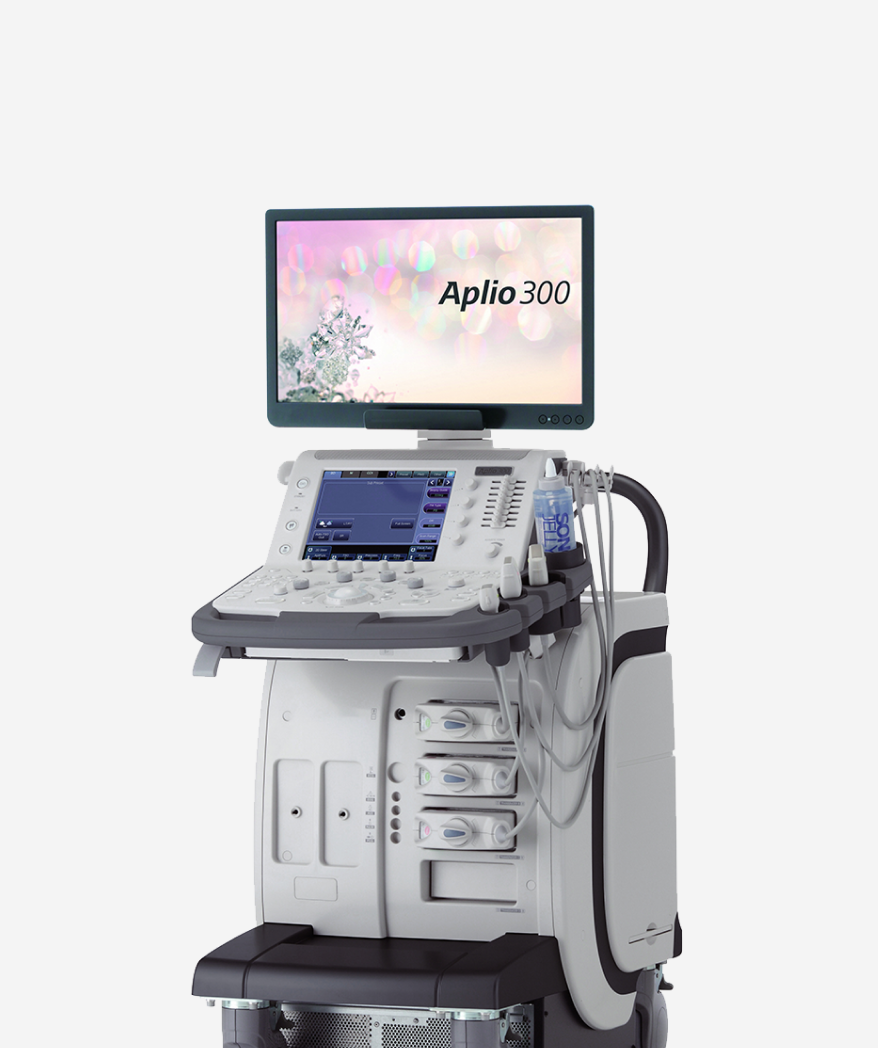
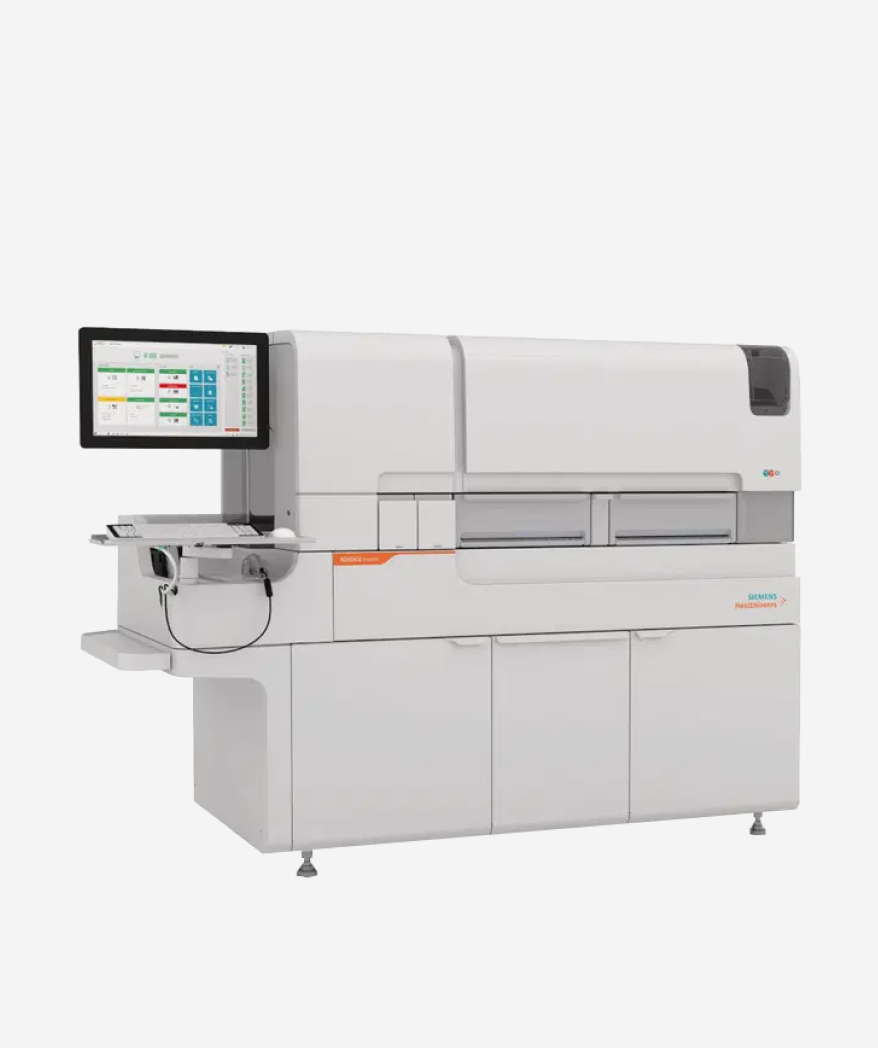
ATELLICA
- It is an integrated biochemistry and immunology test solution that can be operated independently, and operates biochemistry and immunology tests with one device. It has the ability to process 1,000 biochemical tests and 1,120 immunological tests per hour, and can manage all data, patients, calibration, and quality control results with the efficiency of the operating software.
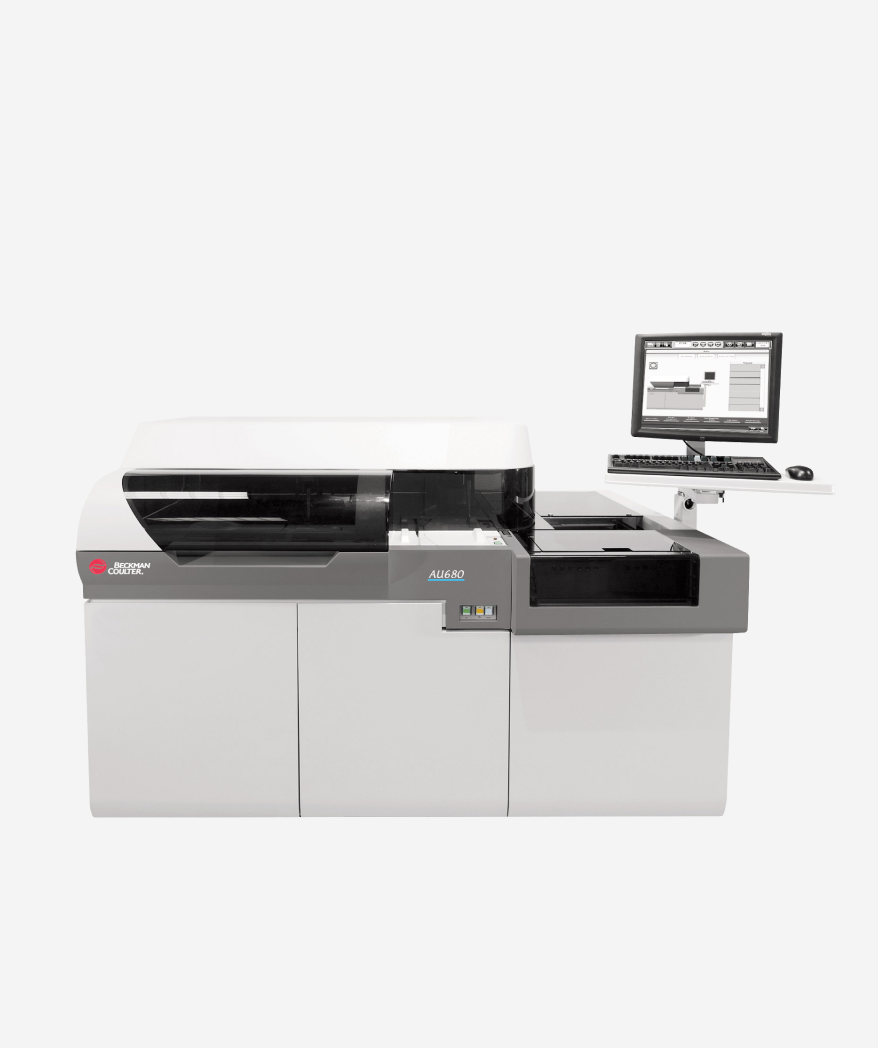
AU680
- By measuring the concentration of various substances in the blood, various enzymes related to the liver are used as indicators to diagnose liver disease and see the effectiveness of treatment. When blood sugar level is above the standard level, diabetes can be provisionally diagnosed, and jaundice and changes in kidney function can also be checked.
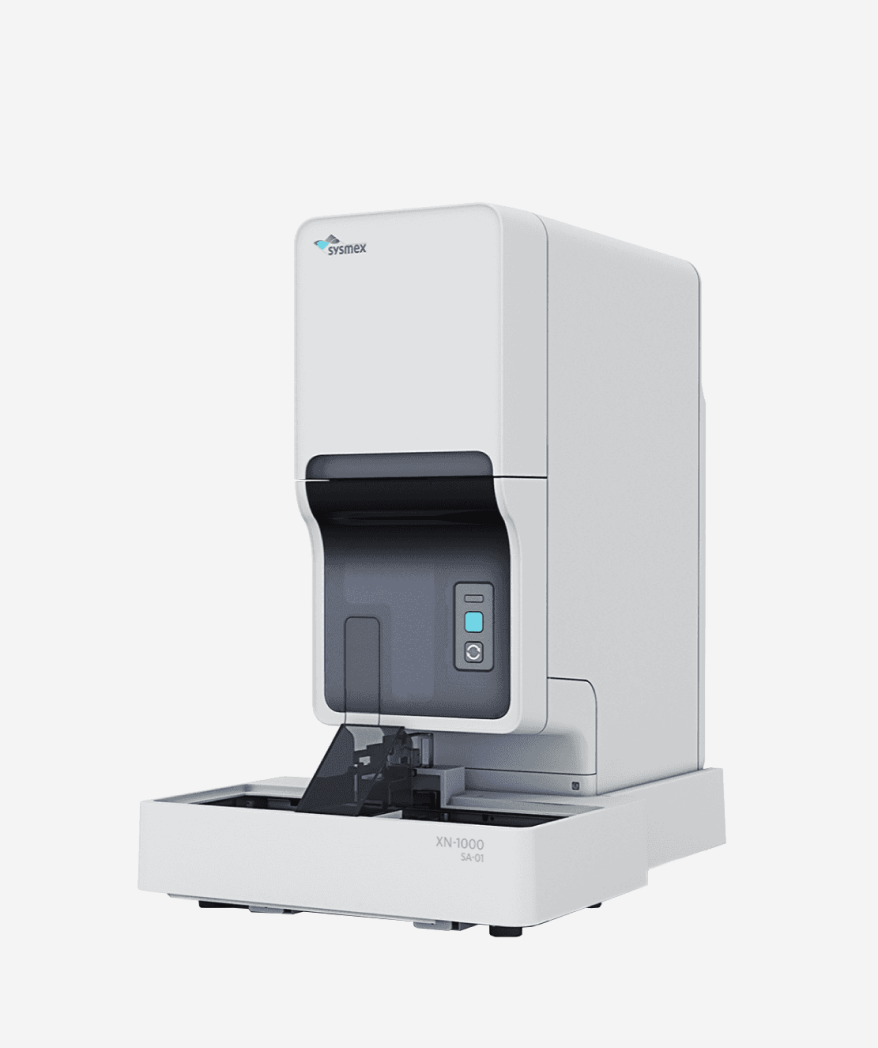
XN1000
- This is a testing equipment needed to diagnose various blood diseases, such as measuring the number of blood cells in the blood or testing related to bleeding and blood clots. A processing speed of up to 100 samples per hour can be achieved. Abnormal cells are detected with high sensitivity, and measurement accuracy is improved to enable accurate measurement.
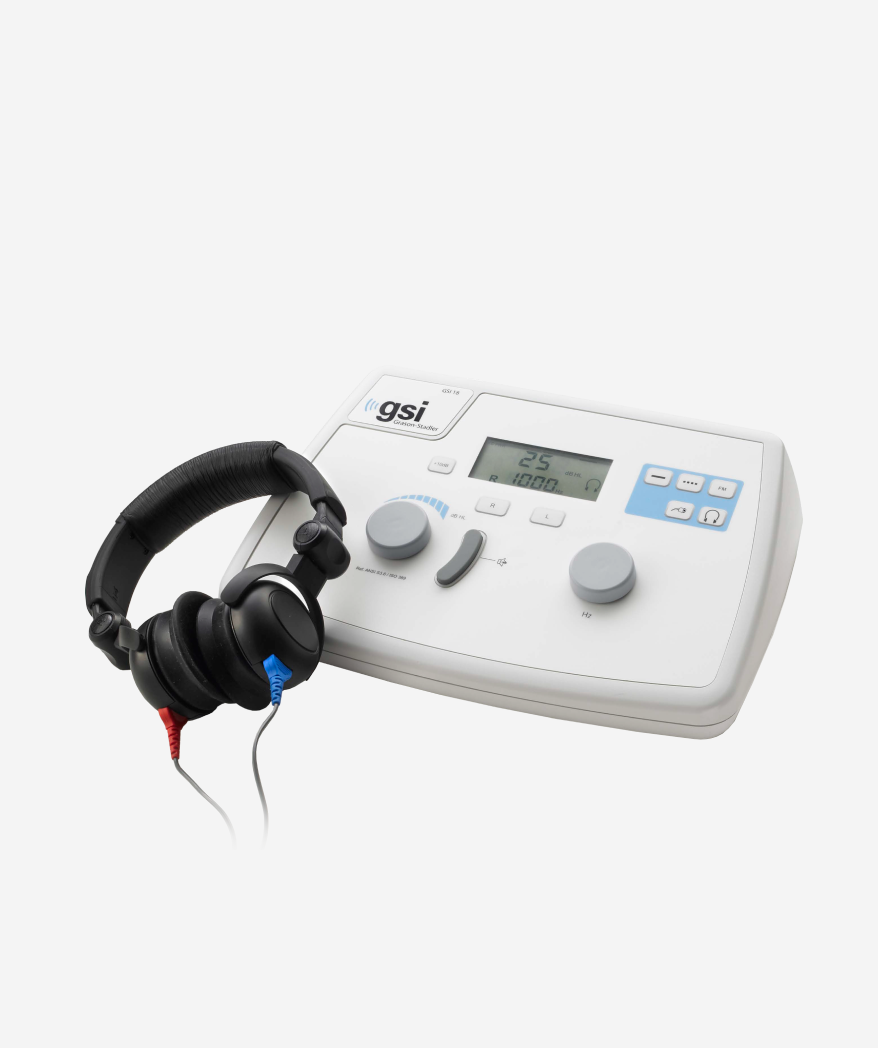
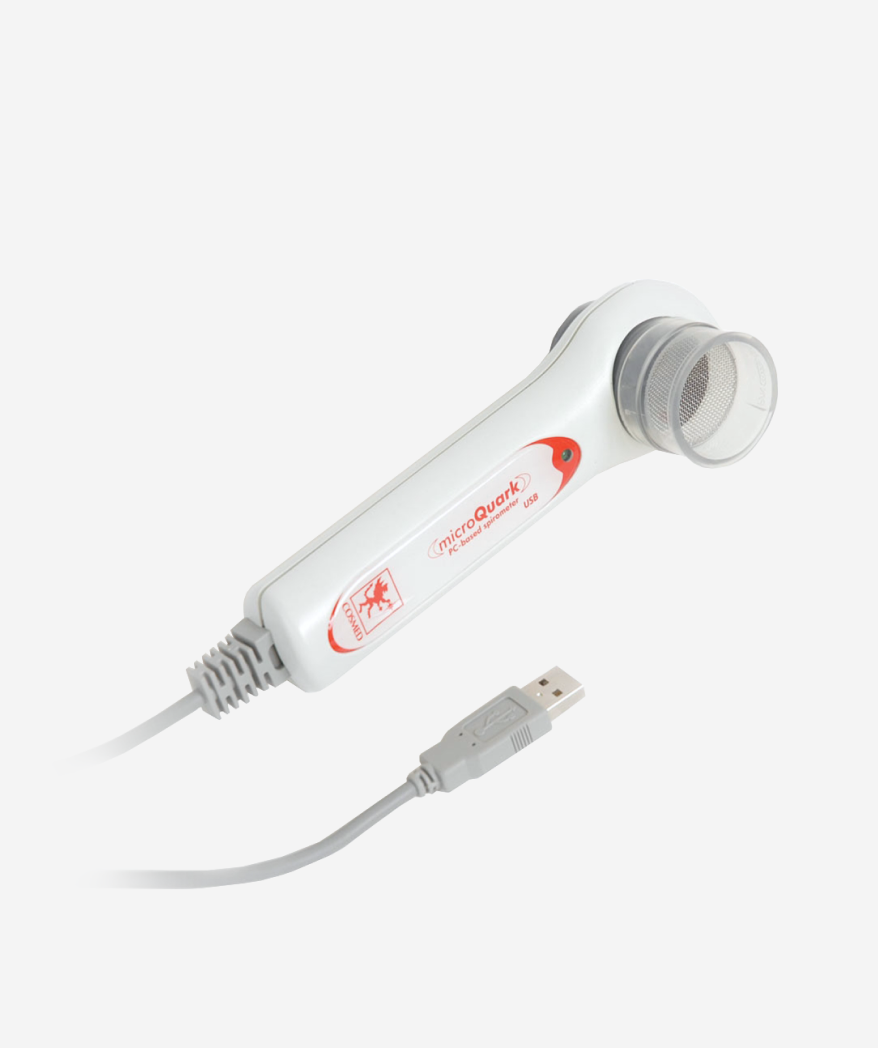
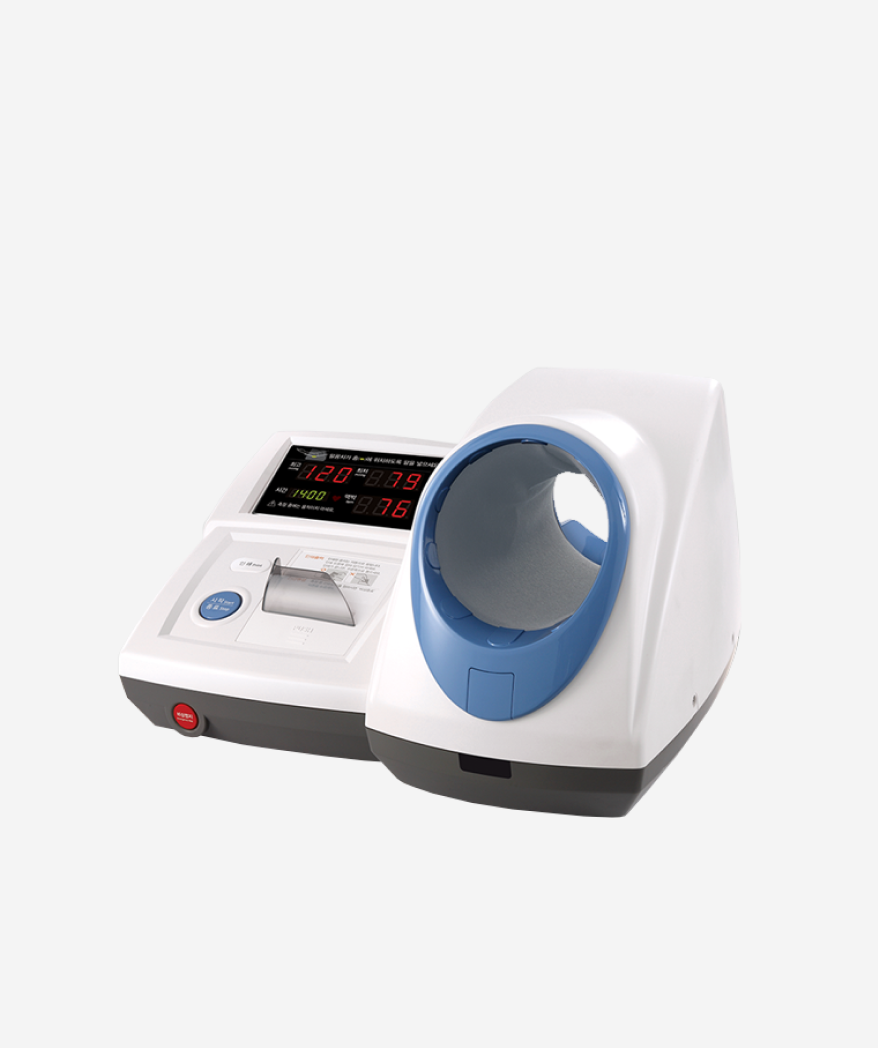
blood pressure machine
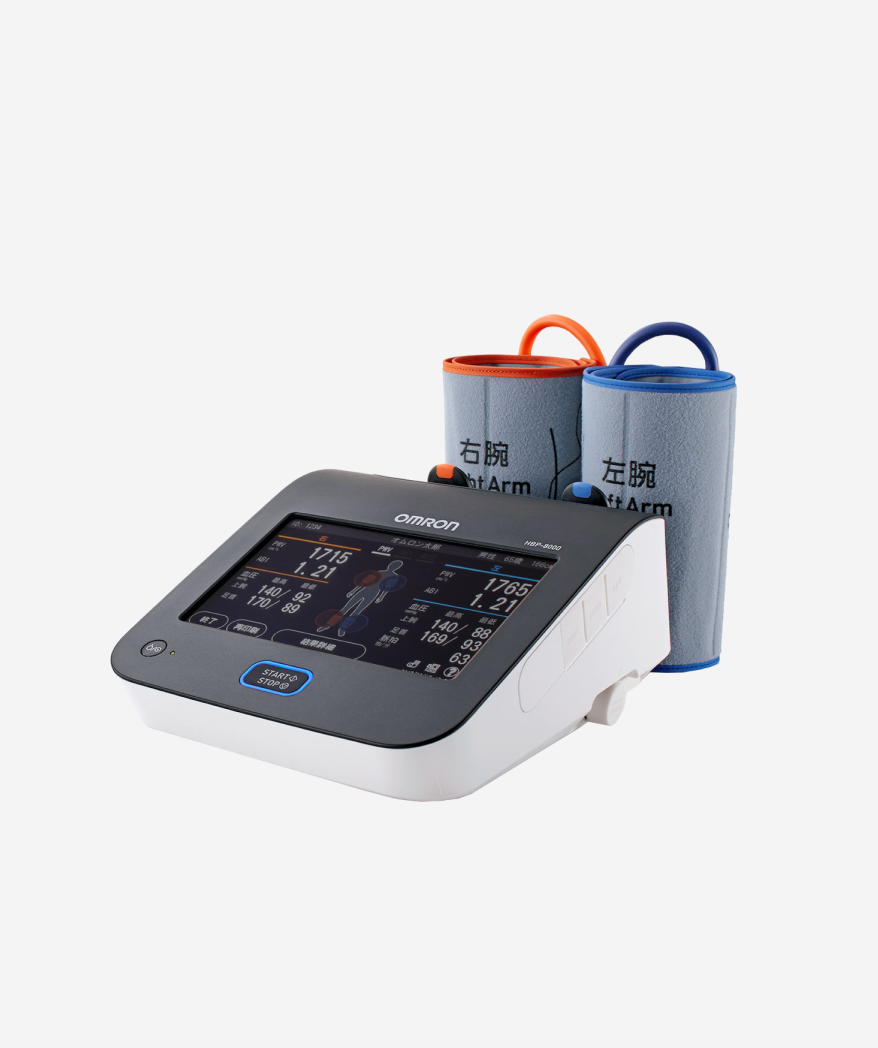
- It is a test equipment that measures the pressure exerted on the walls of blood vessels by the blood flowing along the blood vessels. The unit of blood pressure is mmHg. Normal blood pressure is around 120-130 mmHg systolic and 80-85 mm Hg diastolic. If it rises above a certain level, it is diagnosed as high blood pressure, and if it falls below a certain level, it is diagnosed as low blood pressure.
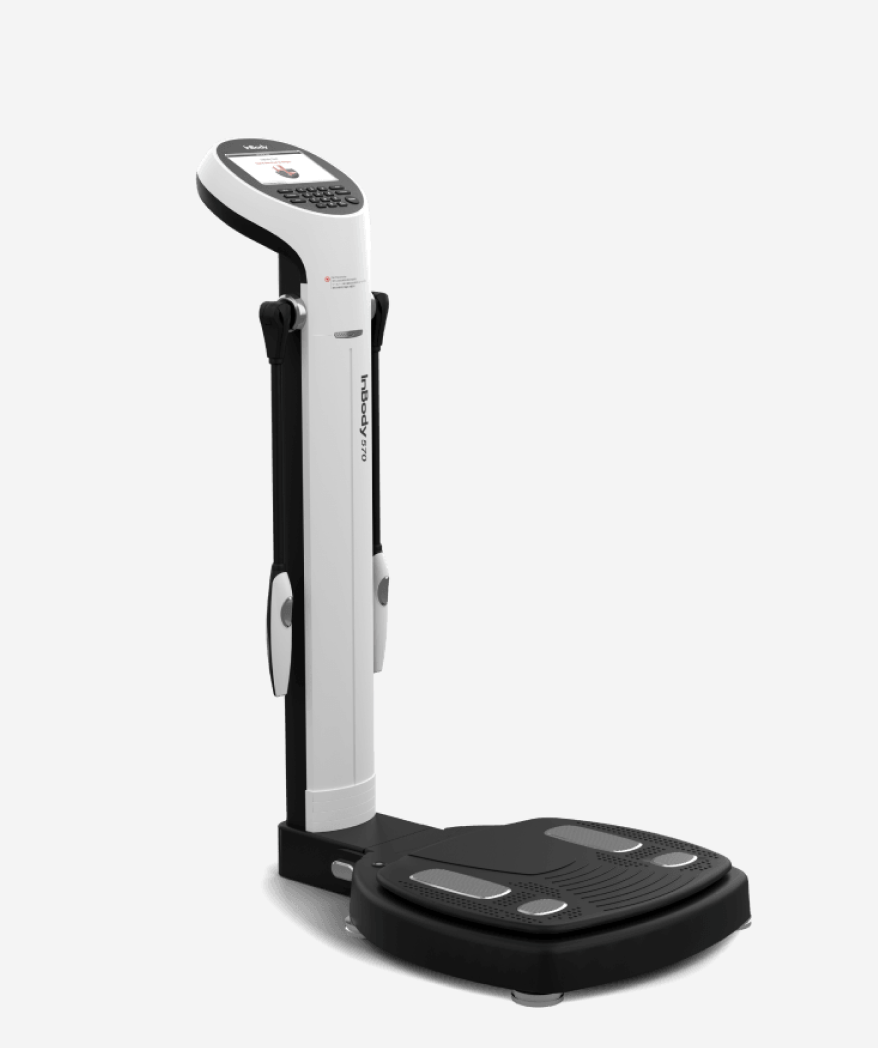
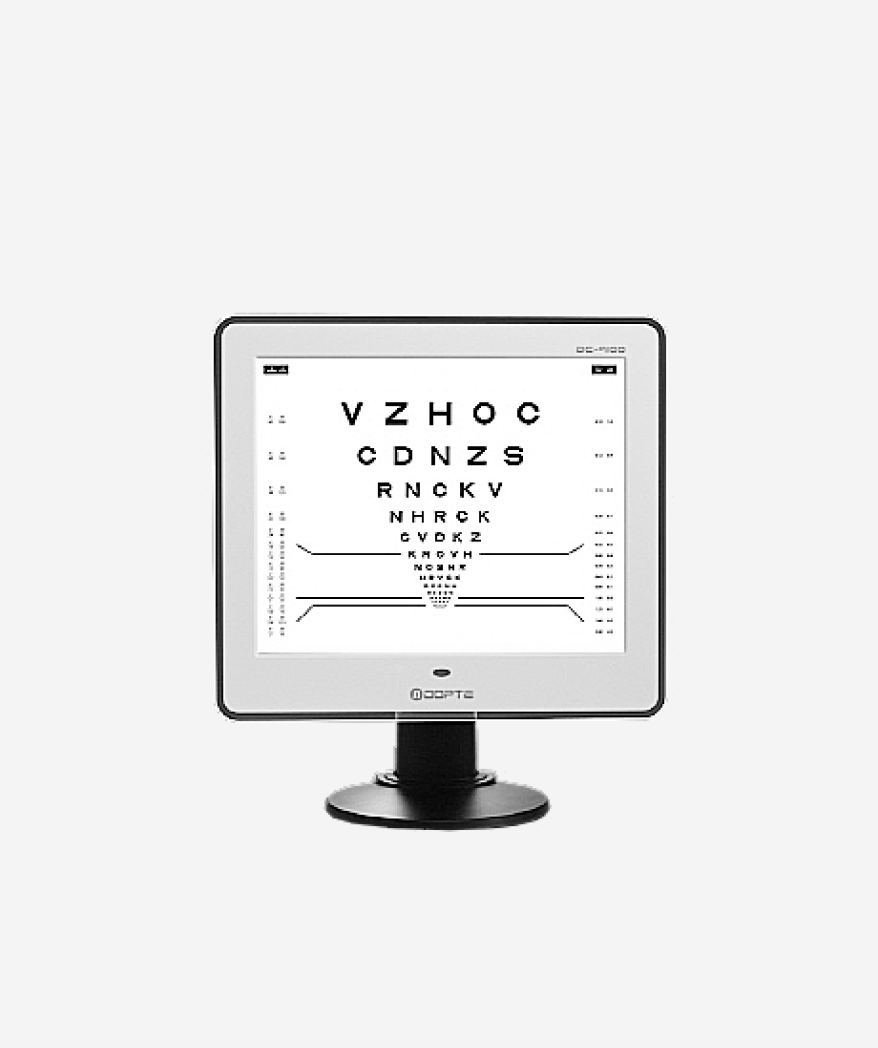
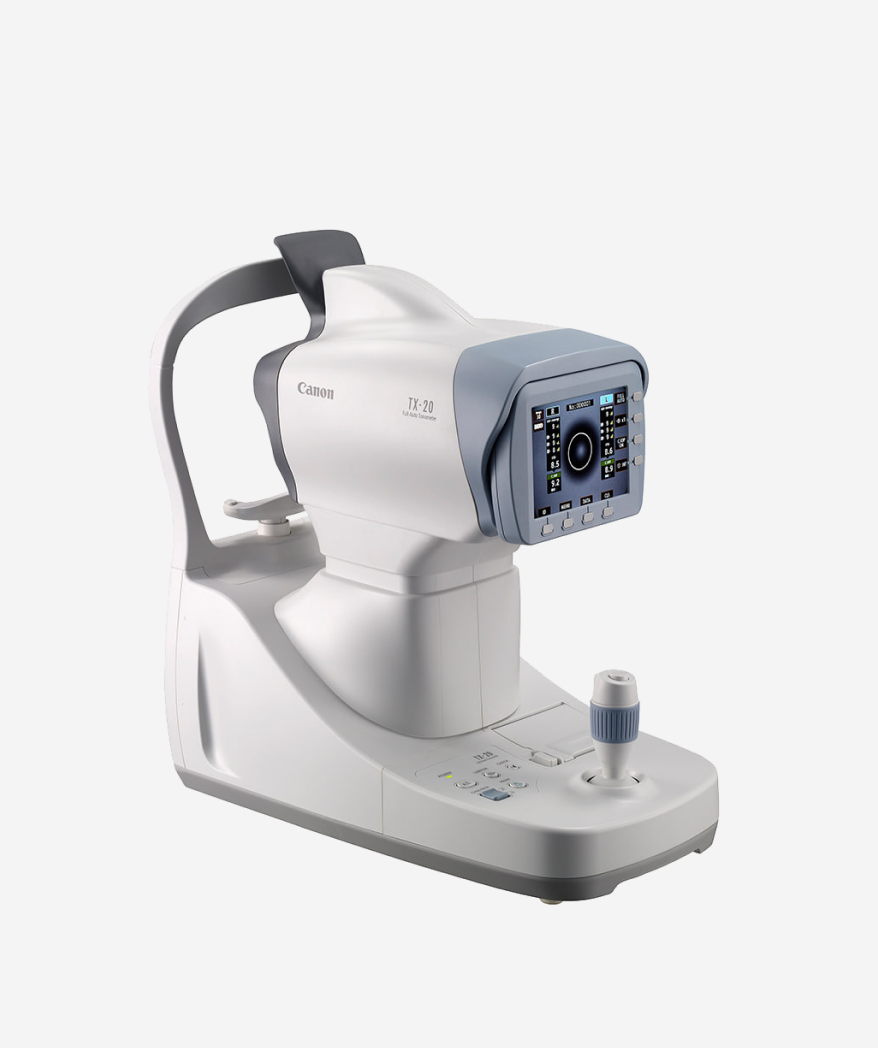
tonometer
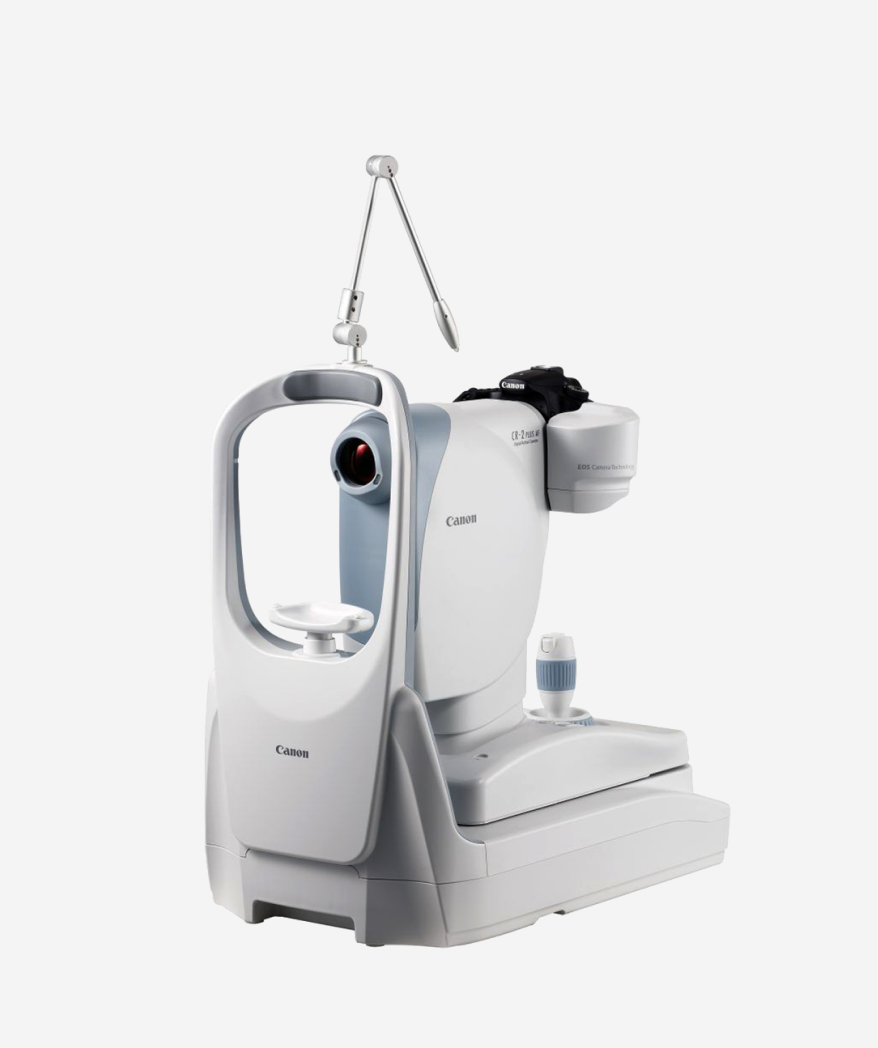
- Intraocular pressure or intraocular pressure refers to the fluid pressure inside the eye, and is a device that measures intraocular pressure. An intraocular pressure between 10 and 20 mmHg is considered normal, and ocular hypertension is considered the most important risk factor for glaucoma.
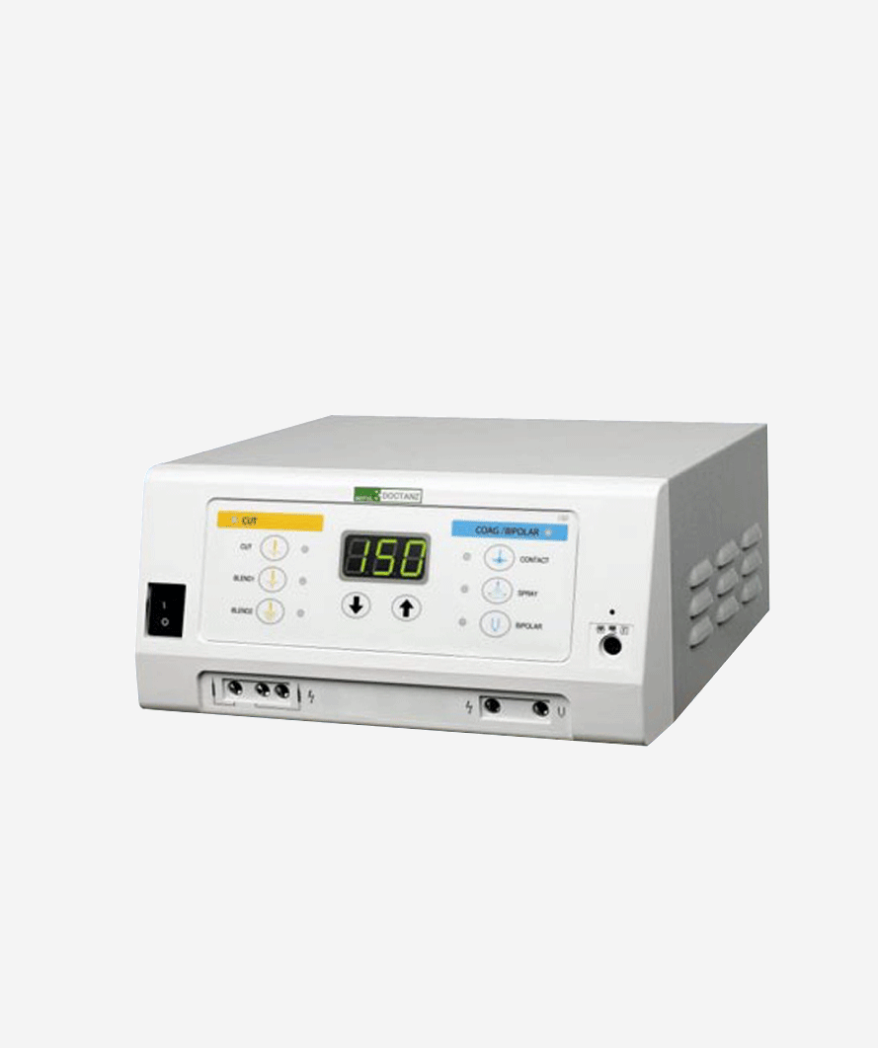
DOCTANZ 150
- The endoscopic Bovie is an electrosurgical device that passes high-frequency current through the body and generates heat locally to cut and coagulate during polypectomy. Safe surgery is possible by using the principle of localized vaporization, drying, coagulation, waves, and heat generation when high-frequency current within a specific range is used.
COOLENDO-E
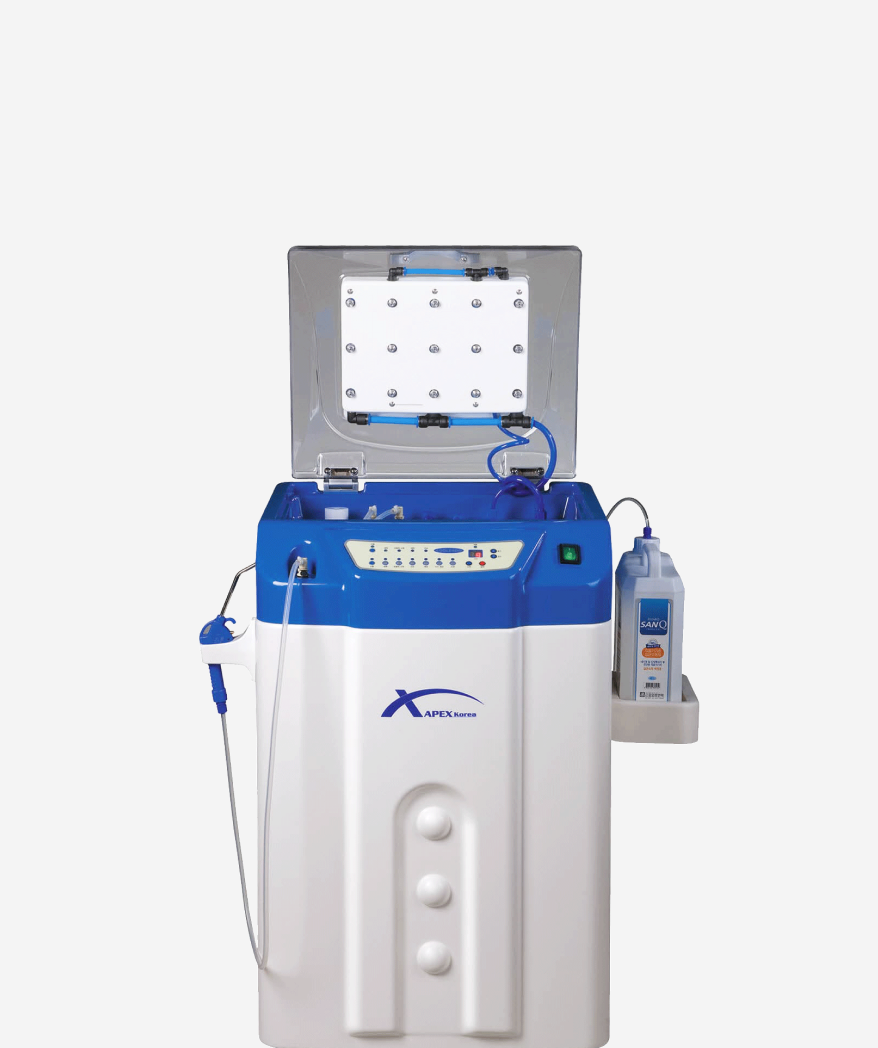
- This equipment sterilizes the scope after an endoscopy. It has an excellent cleaning effect through downward water spray using 9 cleaning nozzles. It produces high-concentration electrolytic acid water of over 1,000ppm and has a sterilizing effect through one-time use. The disinfectant is non-toxic and has environmentally friendly features.
VS-300CT
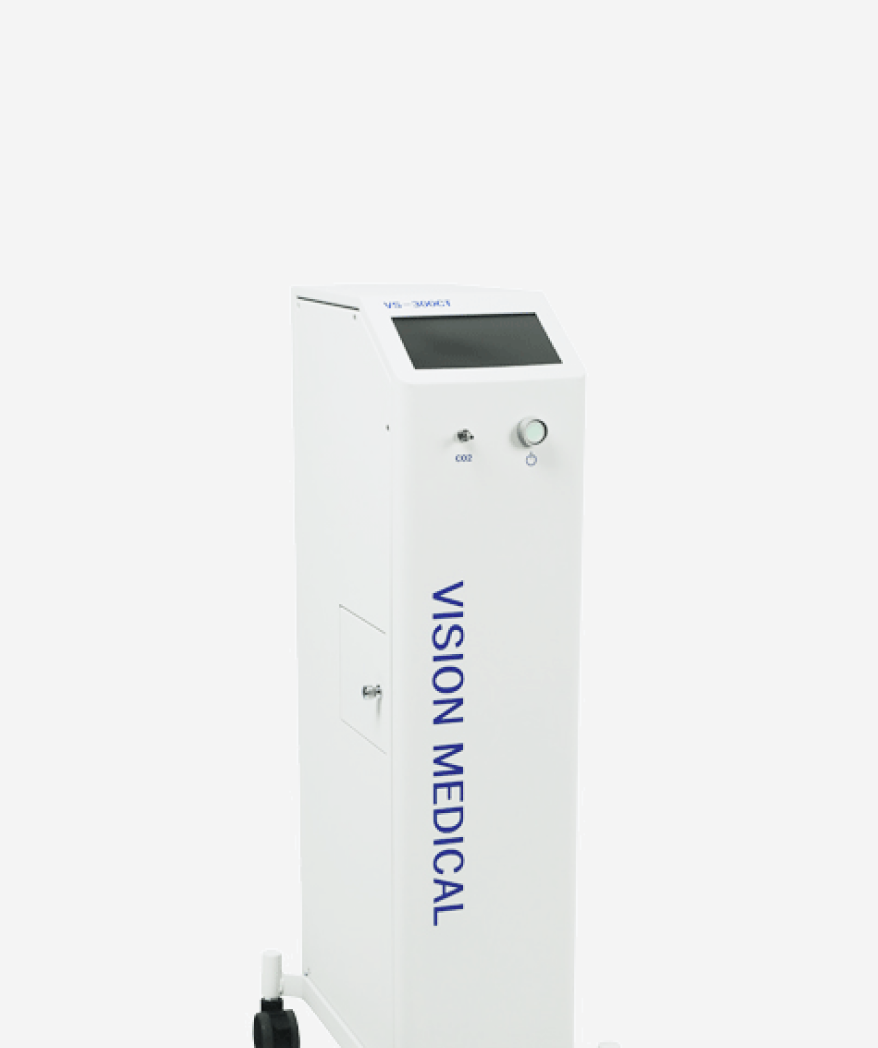
- This is a device that injects CO2 gas into the human body through an endoscope. It can prevent complications caused by gastric bypass that may occur during pancreatic surgery, and allows for a safe and comfortable examination by eliminating the pain caused by abdominal distension that occurs during colonoscopy.
bone density tester
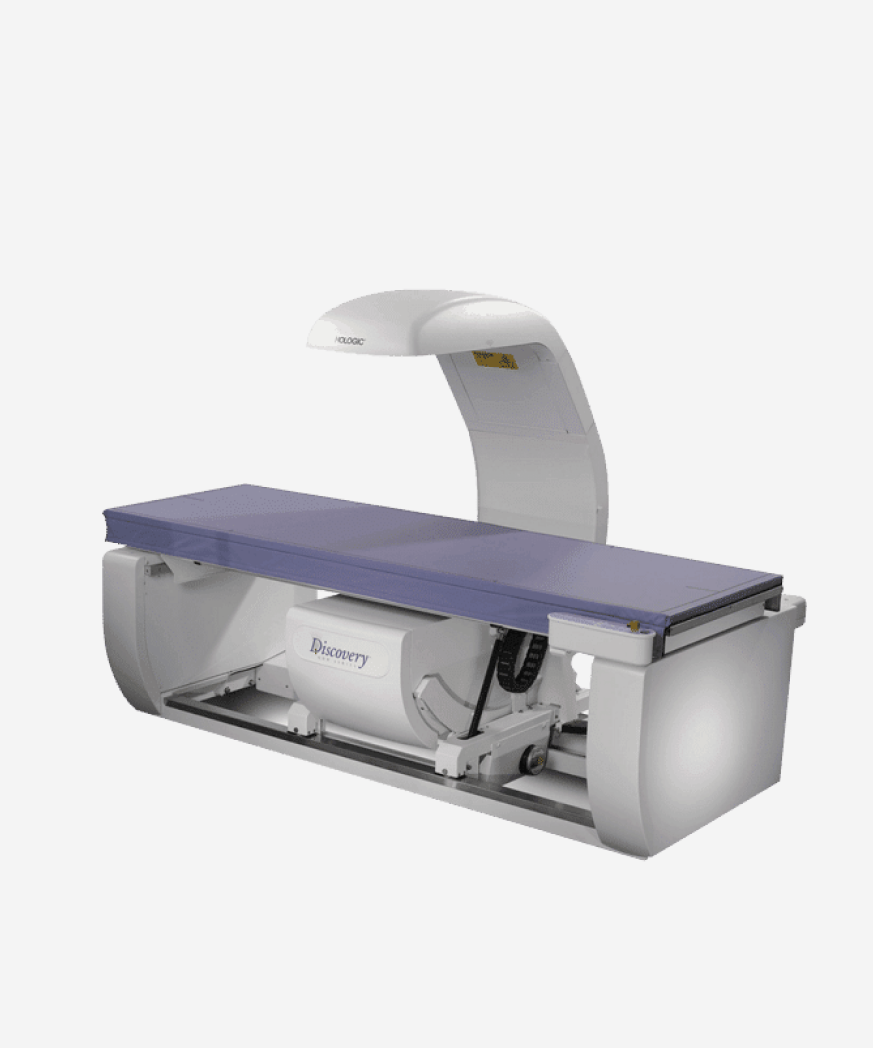
- This equipment is used to diagnose and treat osteoporosis at an early stage. It can image the front, sides, spine, wrist, etc. using an X-ray type bone density measuring device. It has high precision, receives less radiation exposure than x-ray photography, and moves automatically according to the required area.